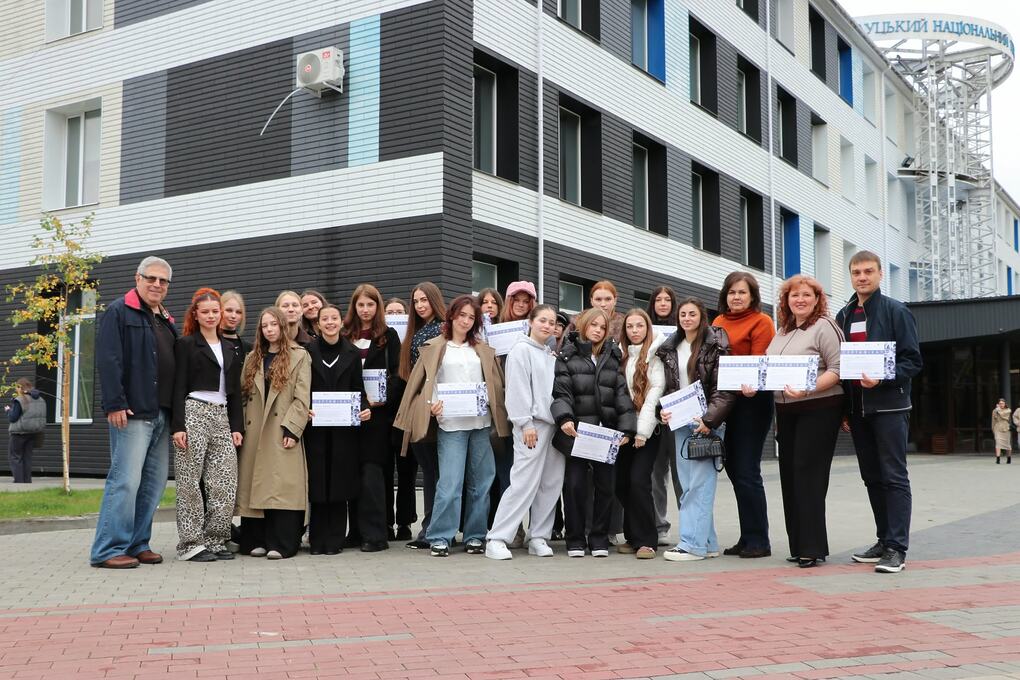
Election Countries in Lutsk: Vector wins the student election simulation
On 20–21 October 2026, journalism students in Lutsk attended the first two-day ‘Election Countries’ training, supported by the Friedrich Naumann Foundation for Freedom.
For two days, politics went beyond dull notes and elections beyond dry theory. Participants explored manipulation through the mechanisms visible daily in newsfeeds and social media.
Students analysed well-known politicians, their public images and communication styles, asking why some phrases and speeches outlive their speakers. In a speechwriting workshop, participants received political and social scenarios and had minutes to produce a speech.
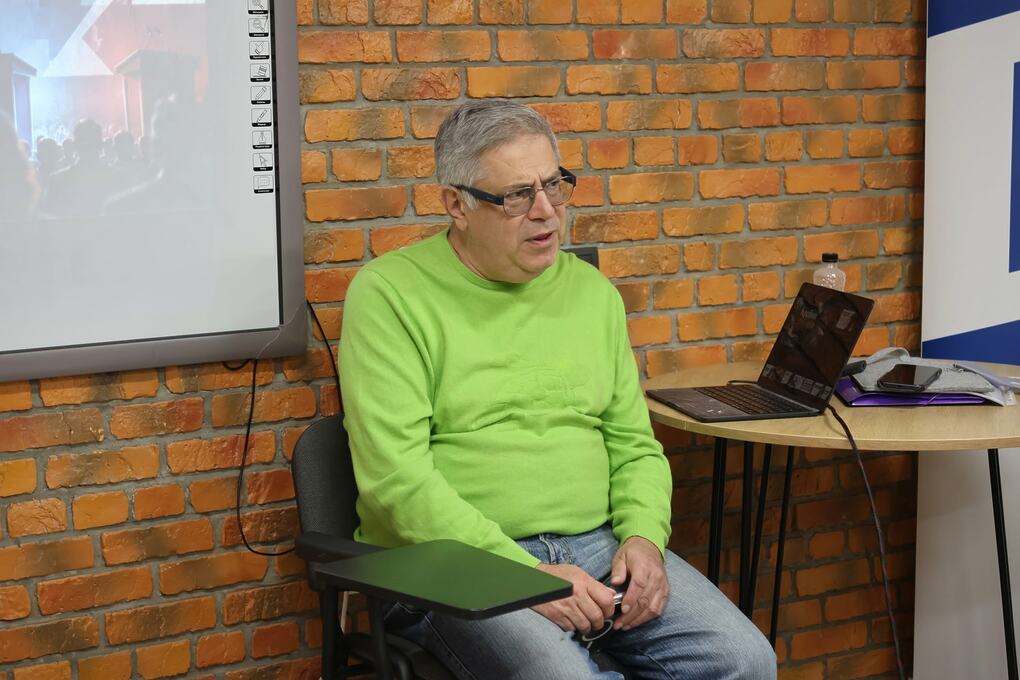
‘We want young journalists to understand politics as more than names, ratings and statements. Above all, it is a system of decisions, rules, responsibility and communication. Journalists must see not just what they are shown but how that picture was constructed for them,’ said Professor Valeriy Ivanov, President of AUP.
A central section was the ‘Museum of Political Technologies’. Participants examined framing, labelling, emotional triggers, false dilemmas, cherry-picking, microtargeting, algorithmic amplification, astroturfing and other mechanisms influencing perceptions of political information.
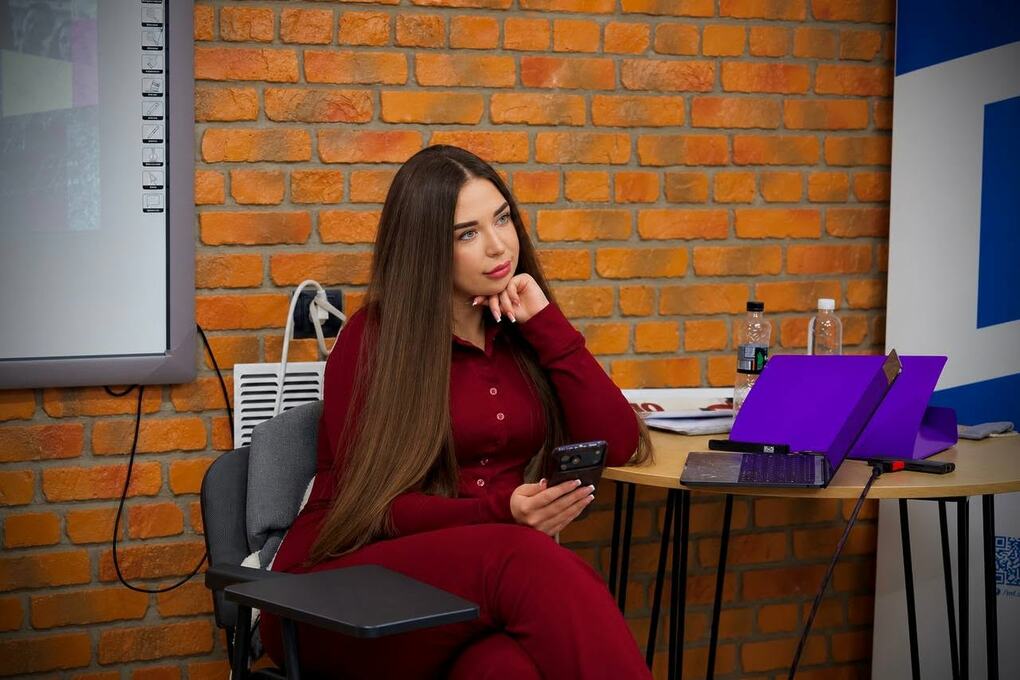
‘We deliberately designed the programme so students would do more than remember ten definitions and forget them a week later. We wanted constantly to put them in situations requiring observation, verification, comparison, questioning or creation. In real journalism, nobody gives you a card saying “manipulation here”. You must learn to notice it yourself,’ said AUP Project Coordinator Yuliia Kulyk.
Another section covered profiling, without magical claims such as ‘they touched their nose, so they are lying’. Participants learnt to consider behavioural changes, answer structure, language, context and verifiable details.
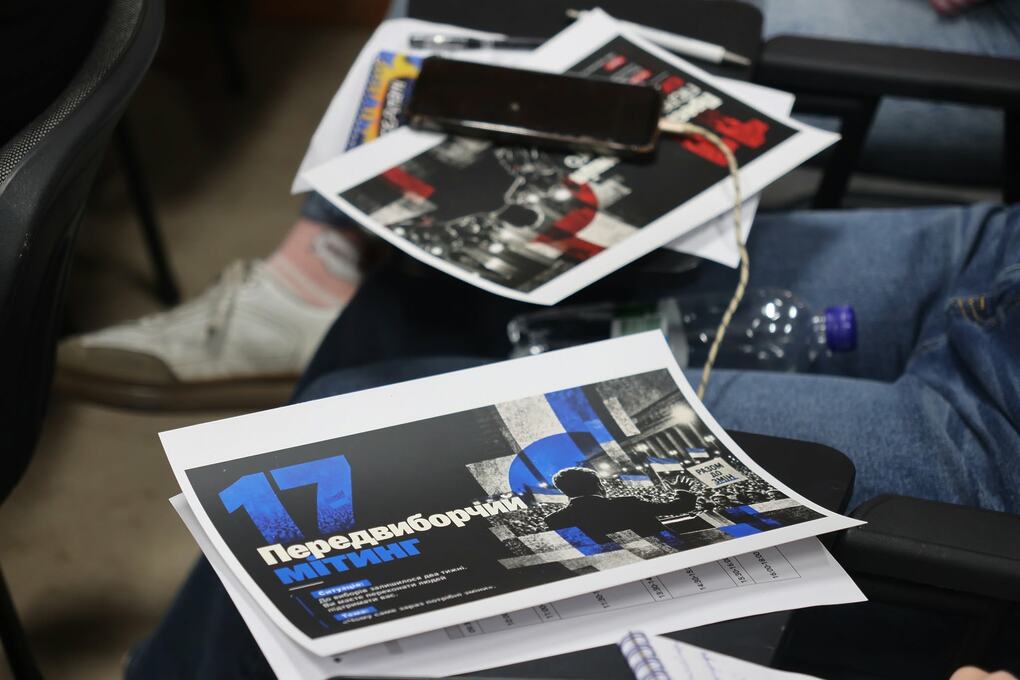
Day two became a large political simulation. Students created imaginary countries, defined values and priorities, allocated roles, prepared party conferences and entered televised debates. They faced uncomfortable questions and crises, explained difficult decisions and spoke honestly about who would bear the costs of their political course.
Four countries appeared: Kappella, capital Sirius; Vector, capital Vector; Avanhard, capital Novatsiia; and Kvitlandia, capital Flora. Each team built a political model, defined its state’s values and priorities, presented them at a ‘party conference’, debated on television and tried to persuade others its decisions were workable.
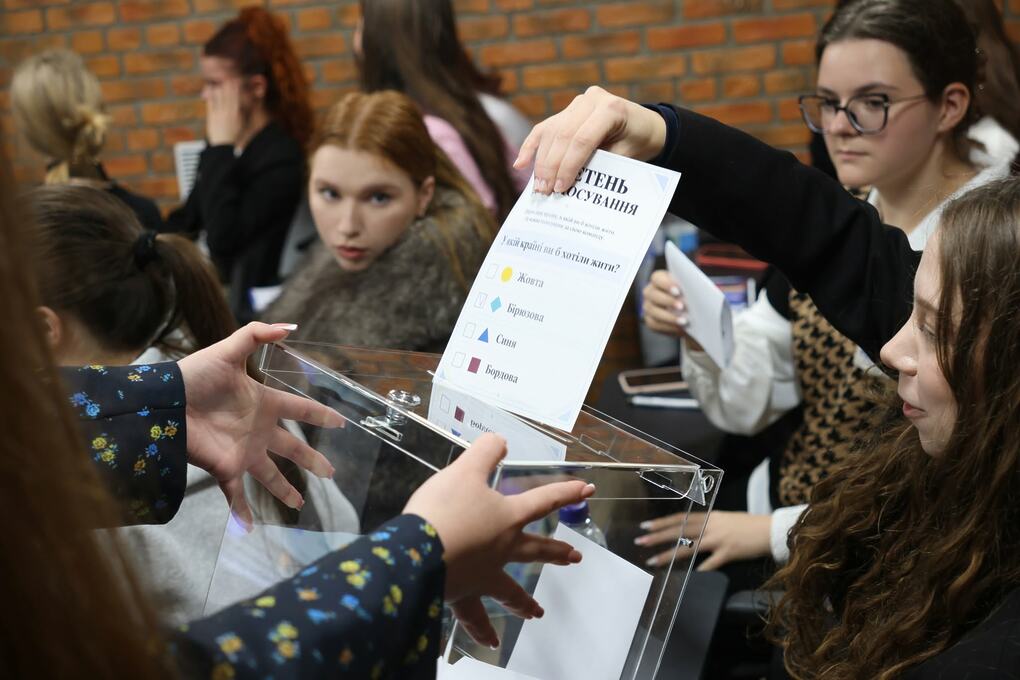
The final vote asked participants where they would like to live. They could not vote for their own team, but had to choose the model most convincing after two days.
Vector, with its capital Vector, won the most votes.
Organisers thank Lutsk National Technical University and Professor Liudmyla Mialkovska, Doctor of Philology and Head of Media, Image and Communication, for the invitation, welcome and space for an engaged conversation about elections, politics and journalism.
Gefördert durch die Bundesrepublik Deutschland.
Supported by the Federal Republic of Germany.
Translation note: This is a literary translation into British English, produced and proofread using a language model. Read the Ukrainian original.