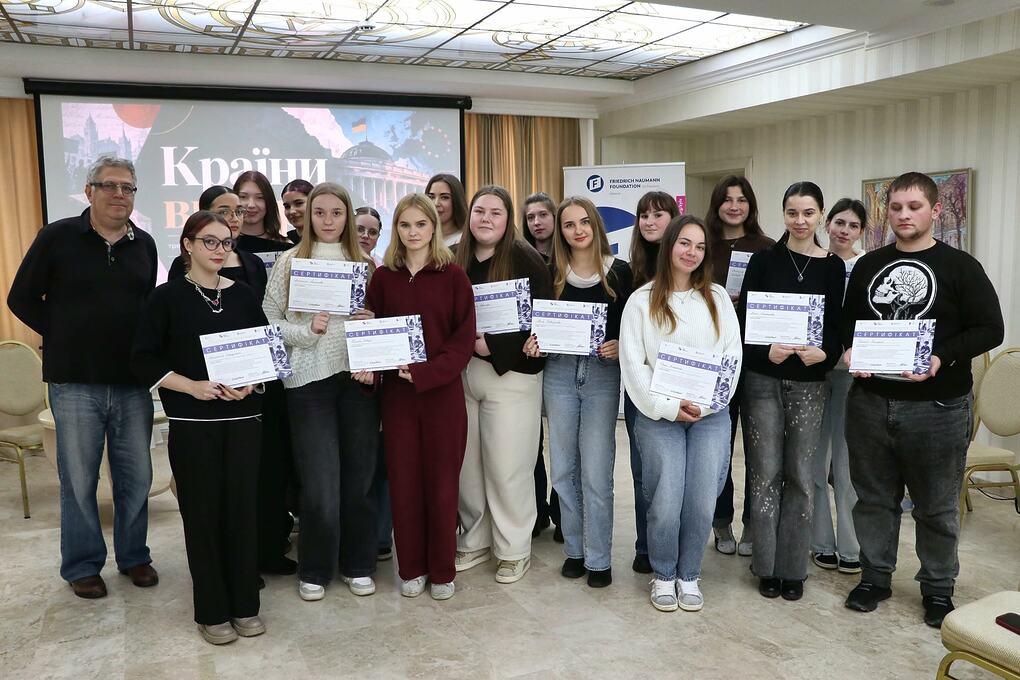
Election Countries in Zhytomyr: Vellorantia wins the student election simulation
On 22–23 October 2026, AUP held the two-day ‘Election Countries’ training for journalism students in Zhytomyr with support from the Friedrich Naumann Foundation for Freedom.
Participants explored political communication, public-opinion influence and election processes. Practical tasks, discussions and speech analysis replaced conventional lectures, giving students opportunities to act as politicians, speechwriters and journalists.
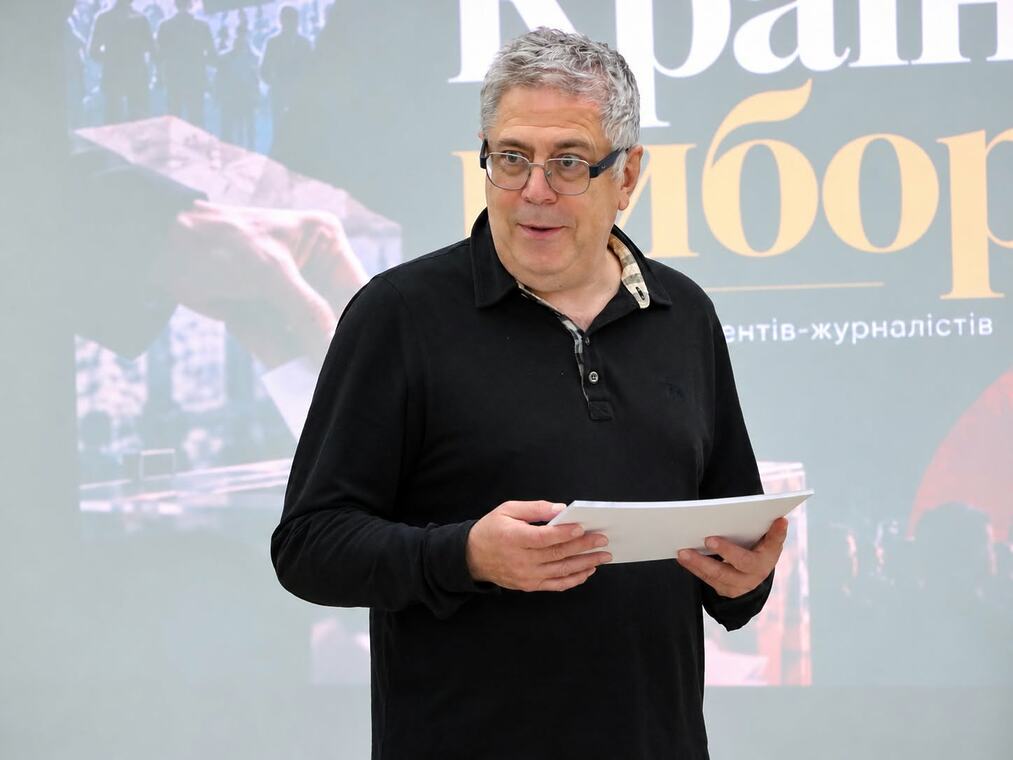
‘We want young journalists to understand politics as more than names, ratings and statements. Above all, it is a system of decisions, rules, responsibility and communication. Journalists must see not just what they are shown but how that picture was constructed for them,’ said Professor Valeriy Ivanov, President of AUP.
In the speechwriting workshop, students wrote political speeches. The interactive ‘Museum of Political Technologies’ introduced framing, emotional triggers, labelling, microtargeting and algorithmic amplification. A separate focus was profiling: analysing behaviour, speech and communication strategies.
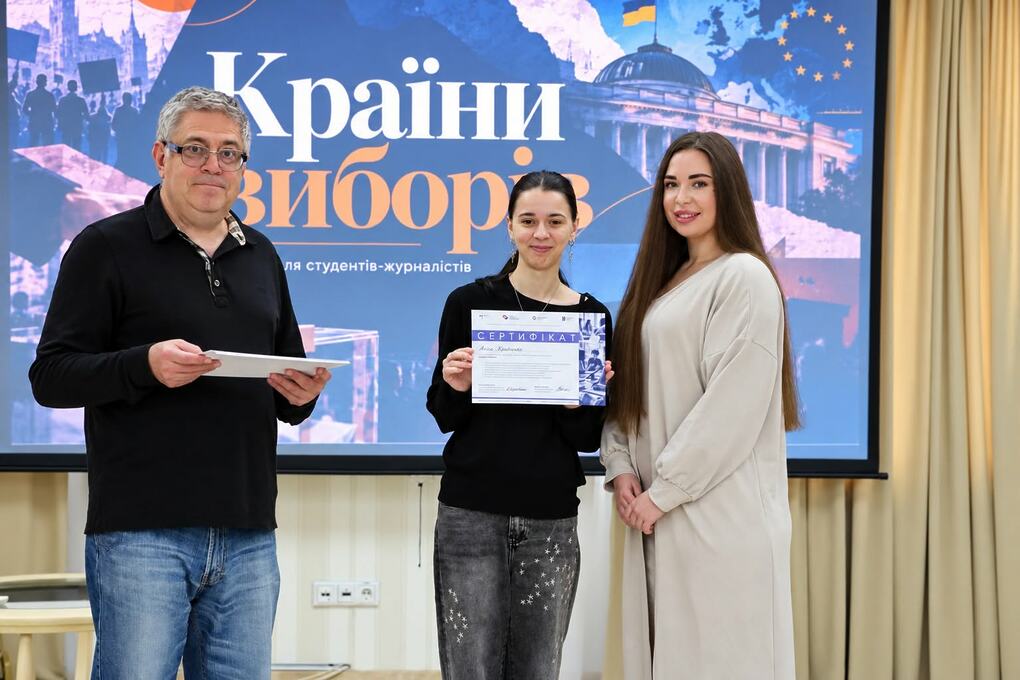
‘Our task is not simply to explain political techniques but to teach students to recognise them in the real information environment. Journalists must be able to convey information and understand who is trying to influence its perception, how and for what purpose,’ said AUP Project Coordinator Yuliia Kulyk.
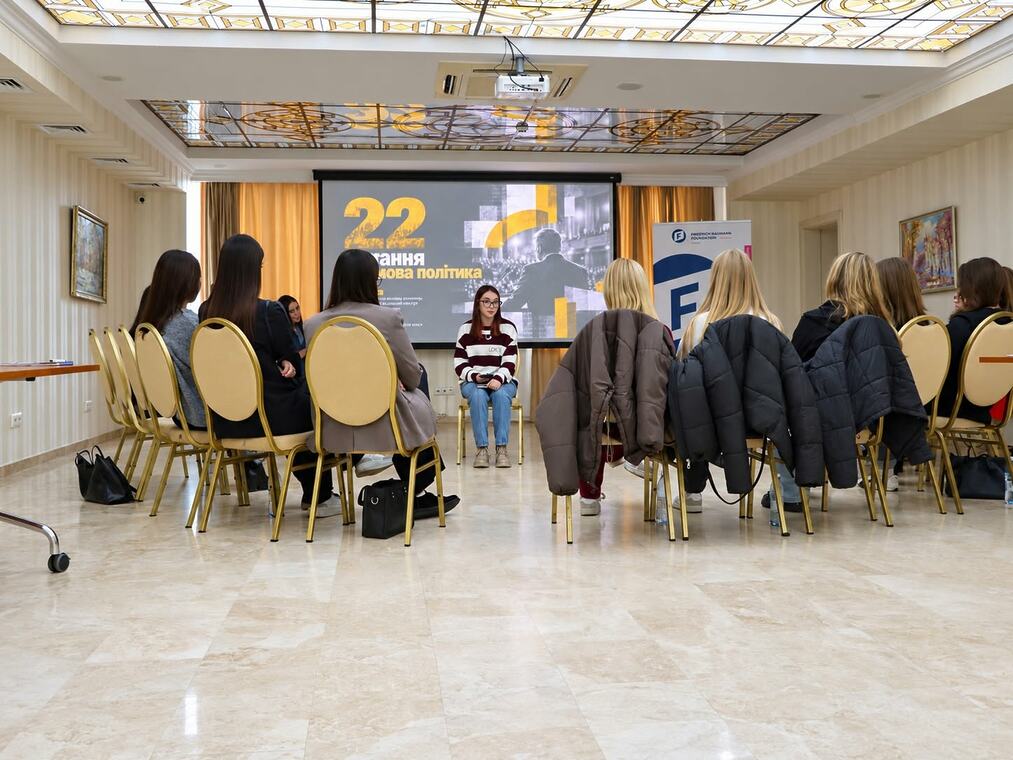
The training culminated in an election simulation. Students created four fictional states: Agappe, capital Kardiia; Vellorantia, capital Vel; Sontsehiria, capital Helius; and Elakiia, capital Liki.
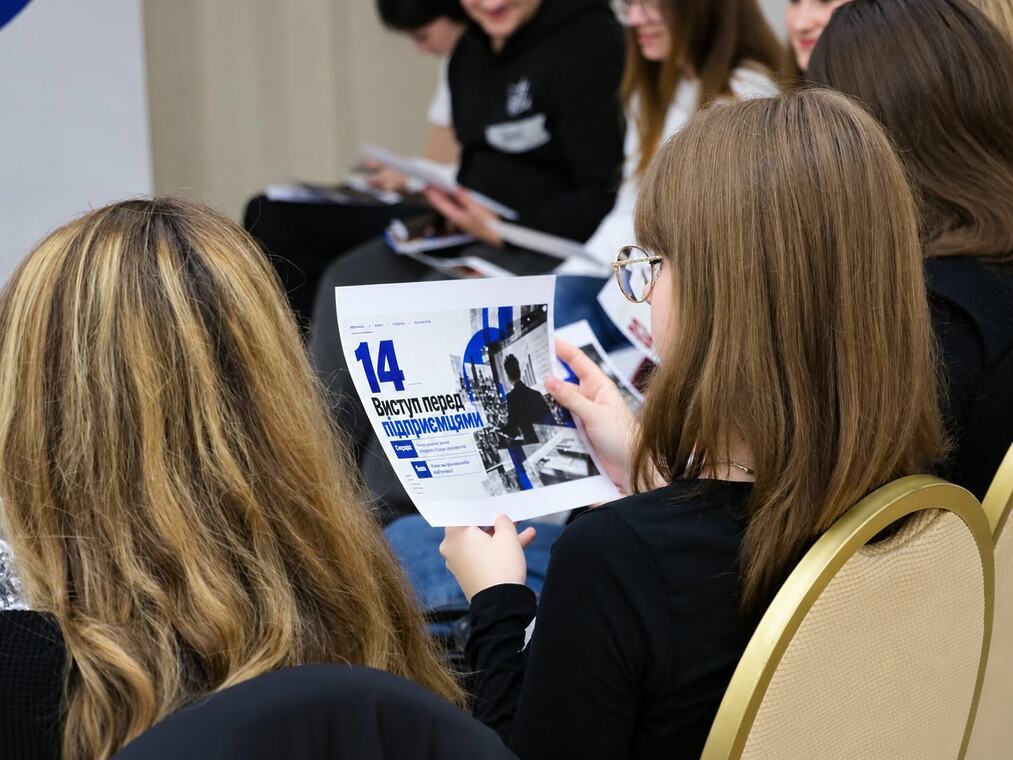
Vellorantia, with its capital Vel, received the most support and won.
The Zhytomyr training again demonstrated the value of understanding political communication and elections through practice: testing mechanisms, seeing the consequences of decisions and learning to assess political promises critically.
Gefördert durch die Bundesrepublik Deutschland.
Supported by the Federal Republic of Germany.
Translation note: This is a literary translation into British English, produced and proofread using a language model. Read the Ukrainian original.