From political advertising to bot networks: recognising manipulation during elections
On 16–17 September 2026, AUP held ‘Critical Thinking During Elections’ with support from the Friedrich Naumann Foundation for Freedom.
The two-day webinar examined information’s influence on perceptions of politics and independent assessment of messages. It focused on practical campaign situations: advertising, public statements, dubious ‘inside information’, manipulative polls and information attacks.
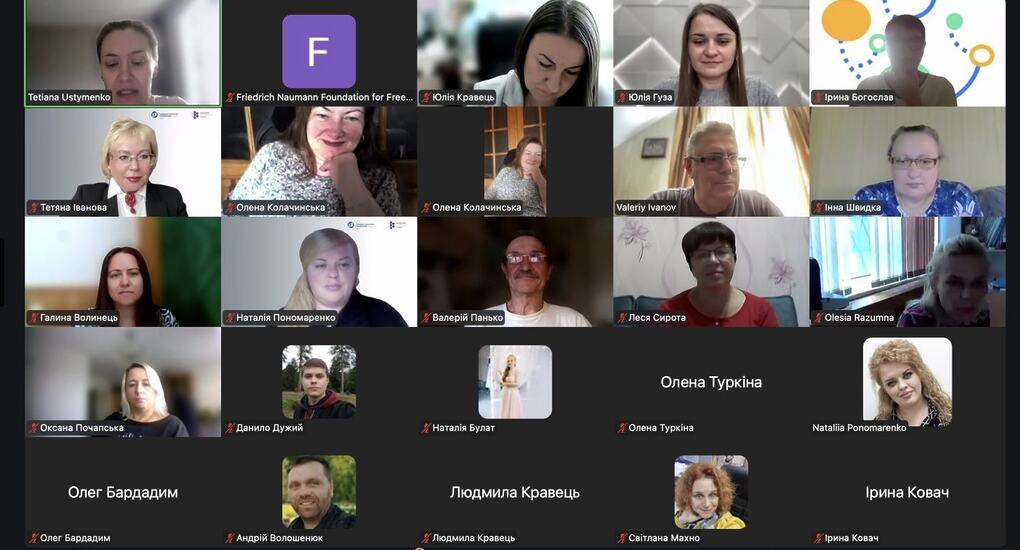
Participants analysed real messages, identified their intended emotions and sought manipulation. They examined false stories, half-truths, smear campaigns and bot networks, discussing verification and responses that do not help falsehoods spread.
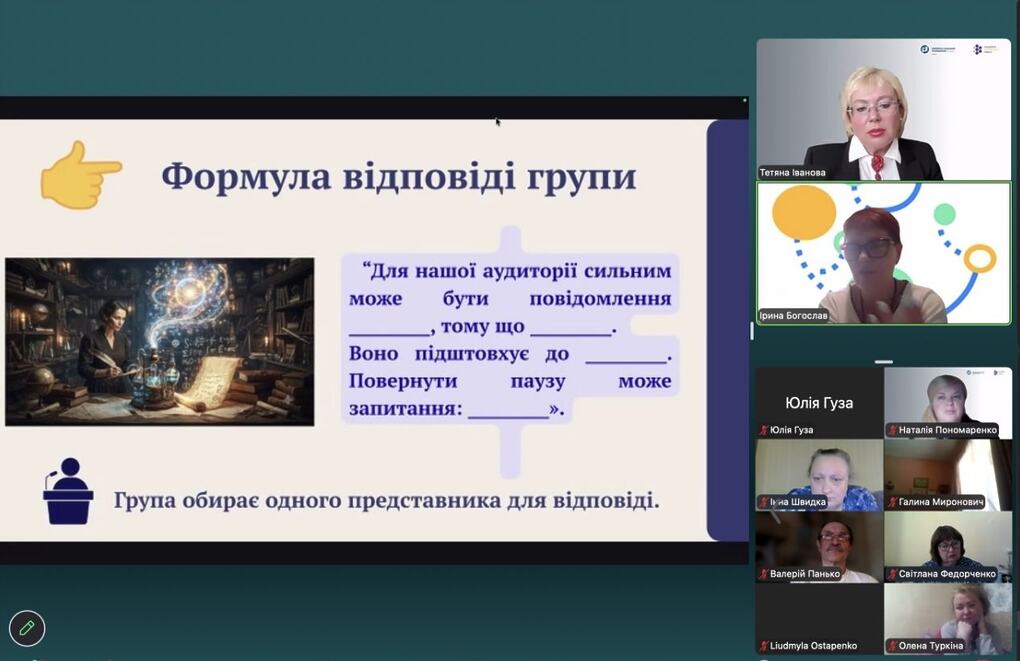
Professor Valeriy Ivanov, AUP President and Doctor of Philology, stressed critical scrutiny during elections:
‘During elections, people encounter an enormous information flow, much of it intended to influence emotions and behaviour rather than support informed choice. Critical thinking offers protection. We need to ask who created information, what supports it, who benefits from its spread and whether its claims can be checked. These skills help us retain our own position and decide on facts rather than imposed emotions.’
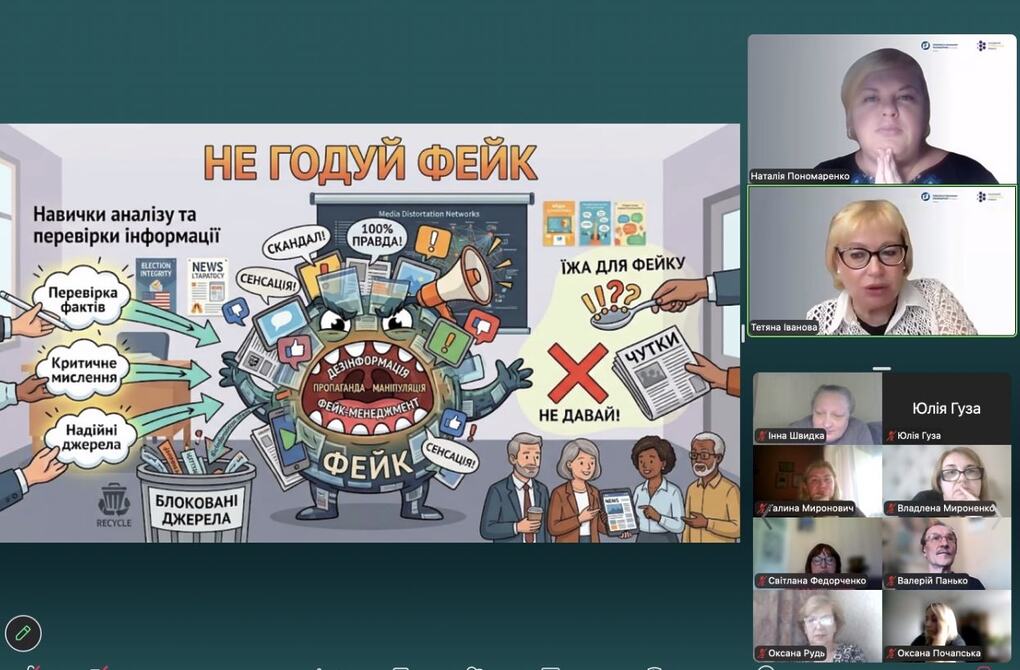
AUP media expert Professor Tetiana Ivanova, Doctor of Pedagogical Sciences, discussed developing skills well before elections:
‘Critical thinking is not a button switched on at polling time. It must be practised long before we hold a ballot paper. Our choices develop gradually through news, headlines, videos, advertising, conversations, fears, sympathies and disappointments. If checking information, separating fact from emotion and noticing manipulation are not habits, they will not appear automatically at the decisive moment.
‘Informed choice therefore begins long before campaigning. Look at what politicians say about themselves and what they previously did, how they voted, which promises they kept and the evidence for their claims. Informed choice does not guarantee we never err. It gives us a better chance of not surrendering decisions to fear, anger or someone else’s script, and of knowing our vote is our considered contribution to the country’s future.’
Practice was central. Teams identified techniques in examples and simulated situations requiring verification and reasoned conclusions.
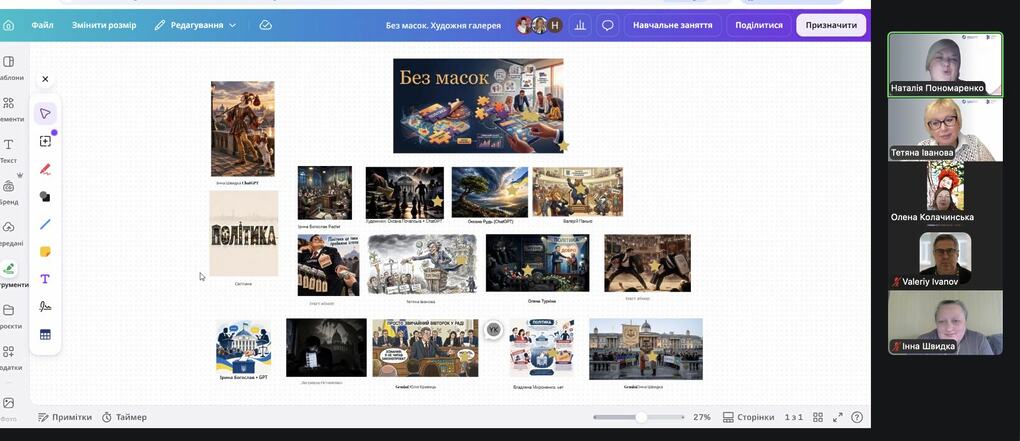
Nataliia Ponomarenko, Senior Lecturer in Journalism and Philology at Sumy State University, PhD and media trainer, concluded:
‘I want participants to leave with experience usable beyond Zoom, not simply remembered terms. We use games, simulations, real messages and teamwork. When people recognise manipulation themselves, verify information and find arguments, knowledge becomes a skill. That is the value of training for me.’
The webinar continued the project’s work on critical thinking and informed information consumption during elections.
One further webinar takes place on 29–30 September. Anyone interested can join to gain practical tools for critical analysis.
Register for the next webinar.
Gefördert durch die Bundesrepublik Deutschland.
Supported by the Federal Republic of Germany.
Translation note: This is a literary translation into British English, produced and proofread using a language model. Read the Ukrainian original.