Who edits our reality? FreeMind Ukraine continues its student programme in Lutsk
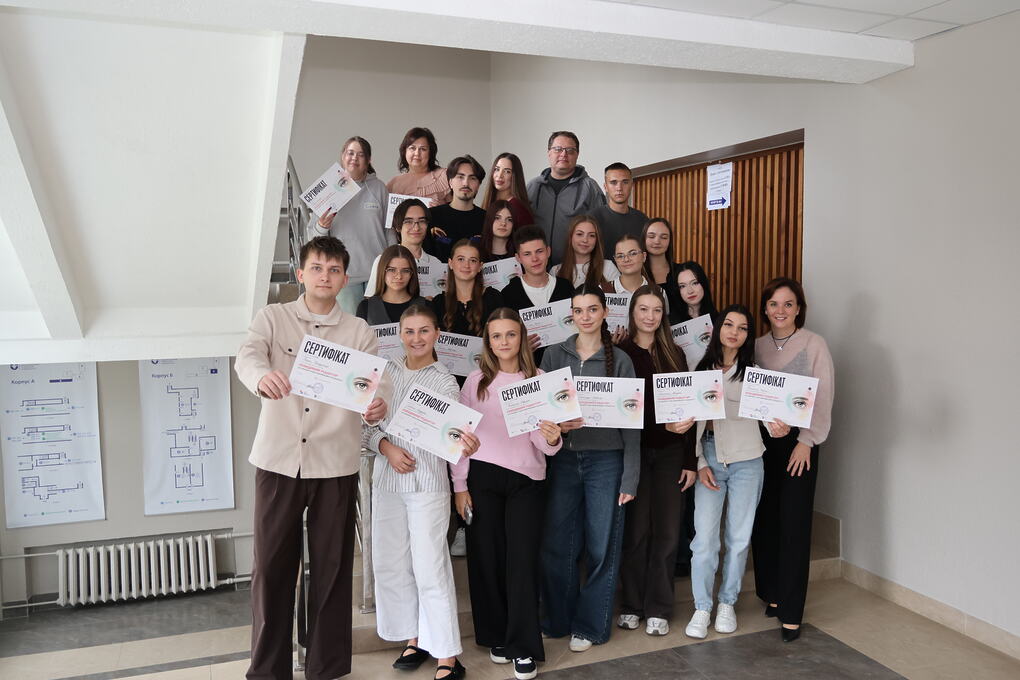
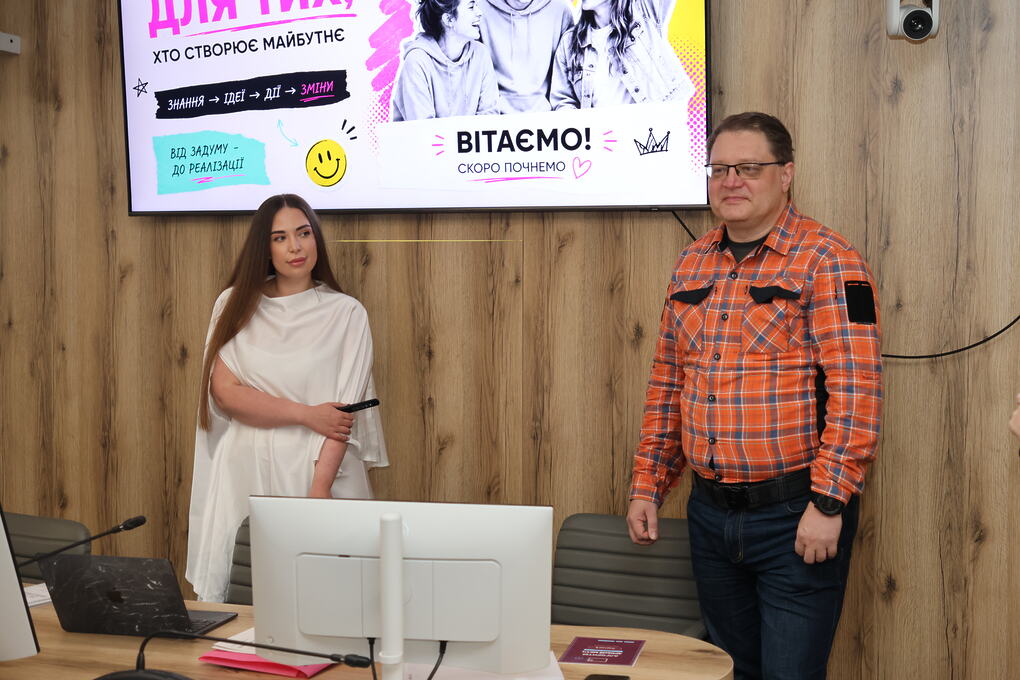
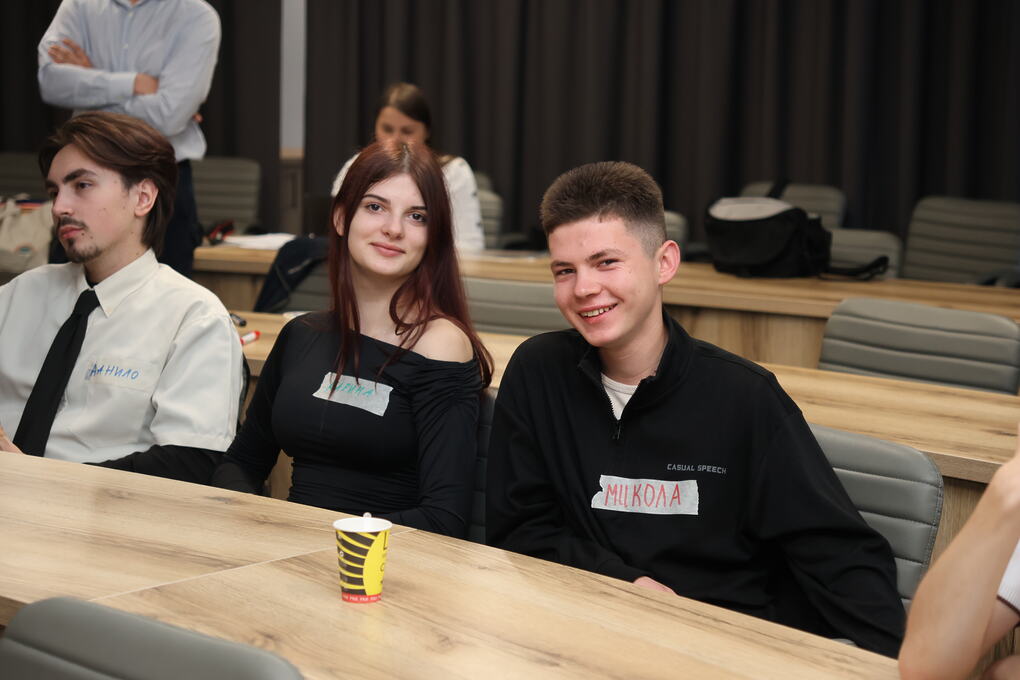
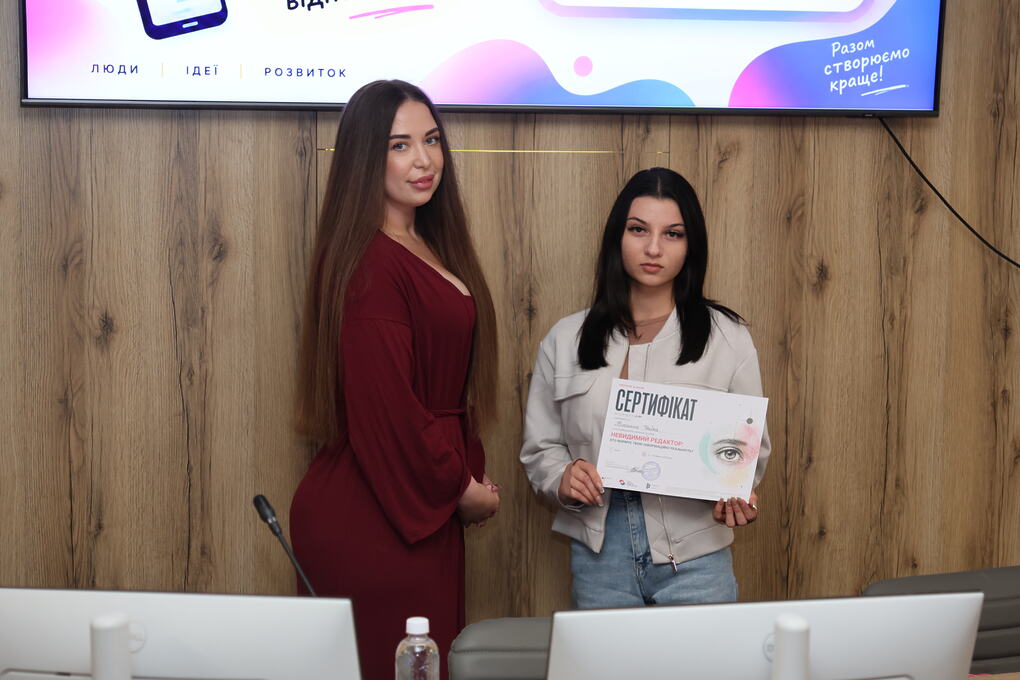
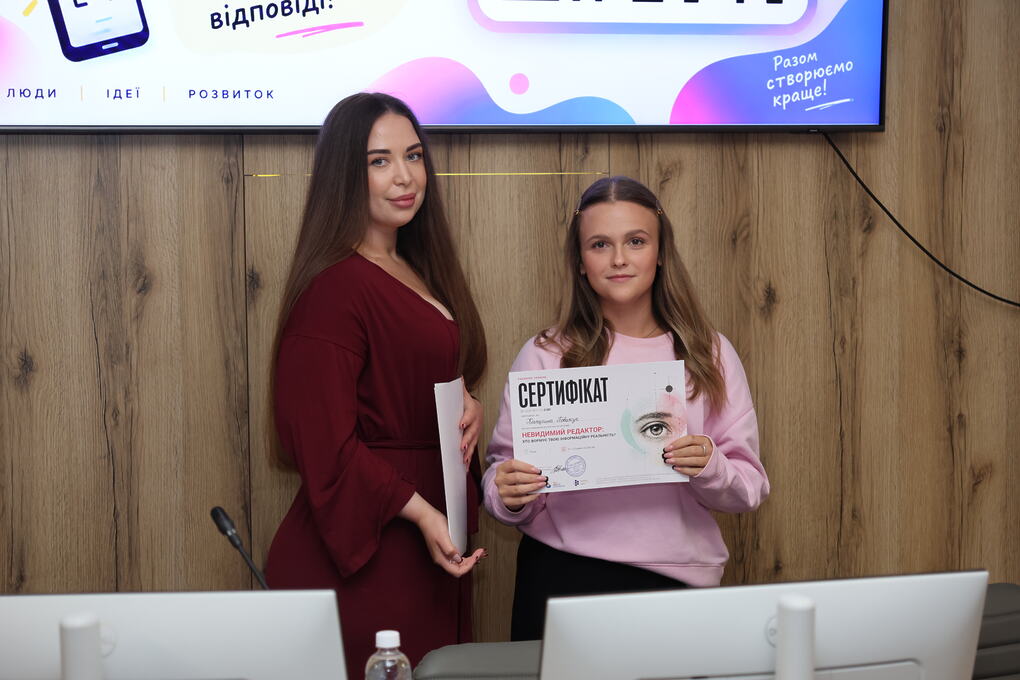
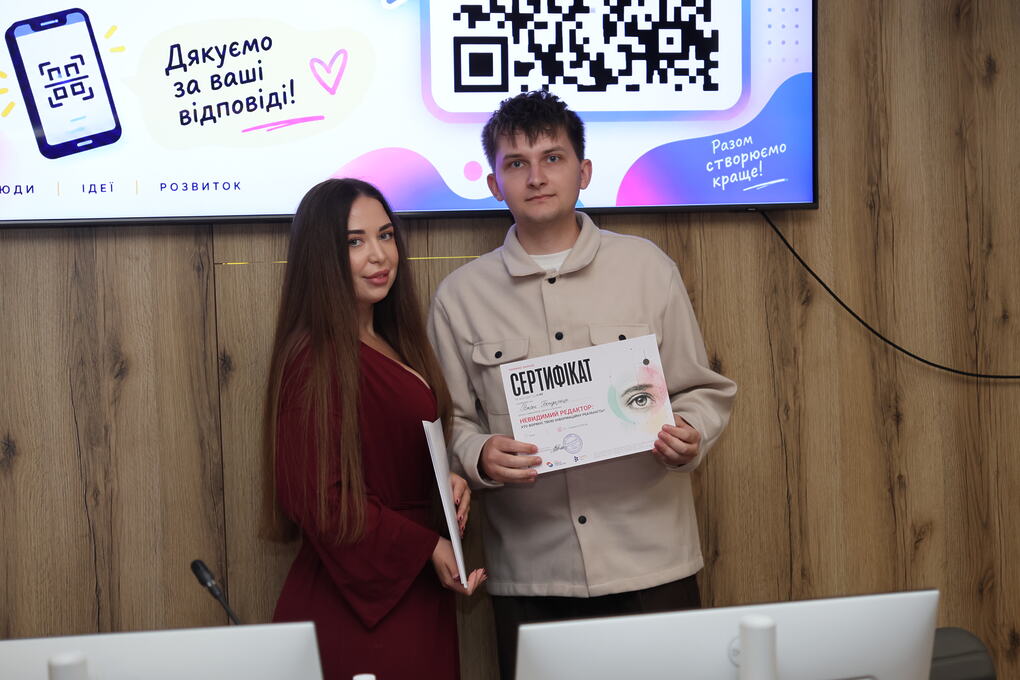
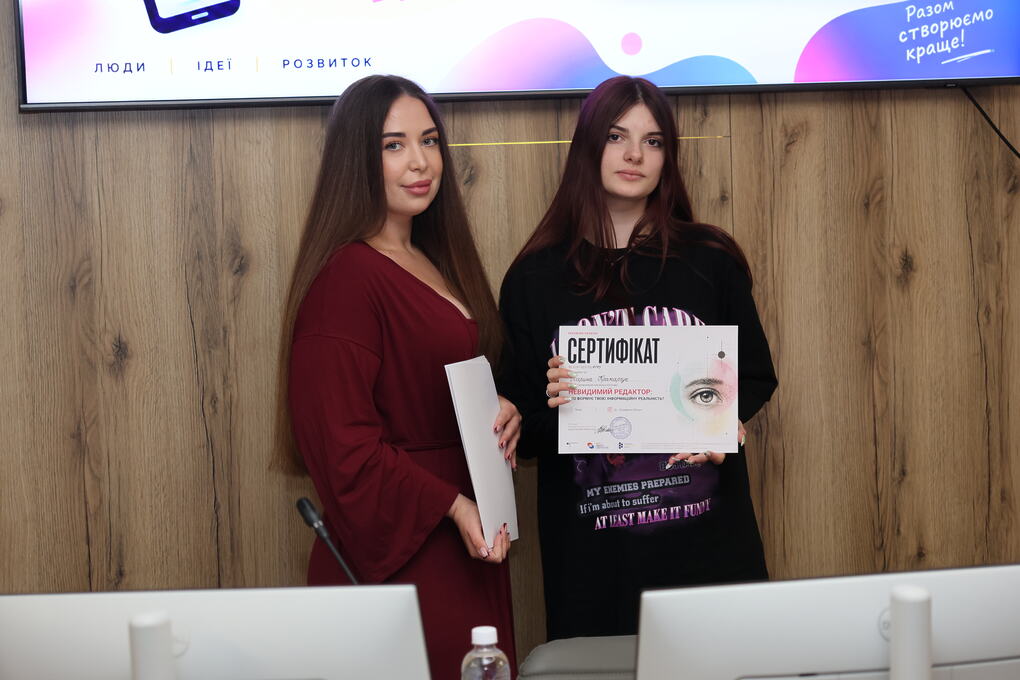
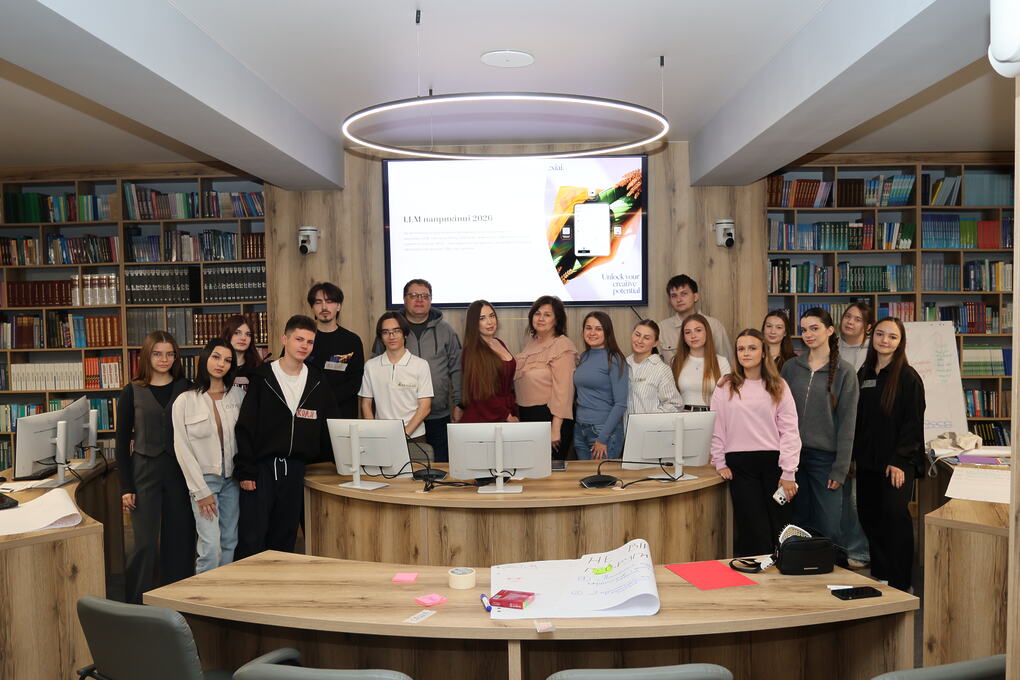
On 22–23 September 2026, Lutsk National Technical University students explored how algorithms, emotions and information habits affect news perceptions. The two-day ‘Invisible Editor: Who Shapes Your Information Reality?’ training took place through FreeMind Ukraine.
Why do some posts inspire immediate trust while others make us wary? Who determines a personalised feed? Is spotting false information enough to navigate today’s environment confidently?
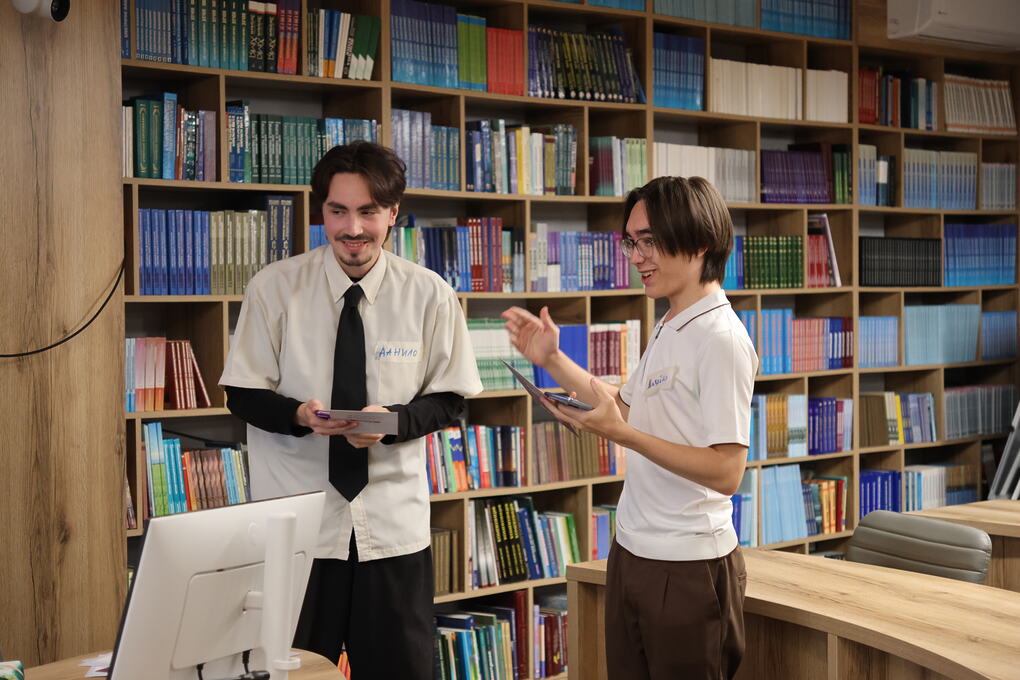
Students worked with real situations, analysing the psychology of influence and manipulation, checking facts and sources, and exploring open data. AI’s opportunities and risks were another focus.
Checking accuracy was the first step. Participants then asked contextual questions:
- Why am I seeing this message?
- Why does it provoke this reaction?
- Who benefits from my understanding it this way?
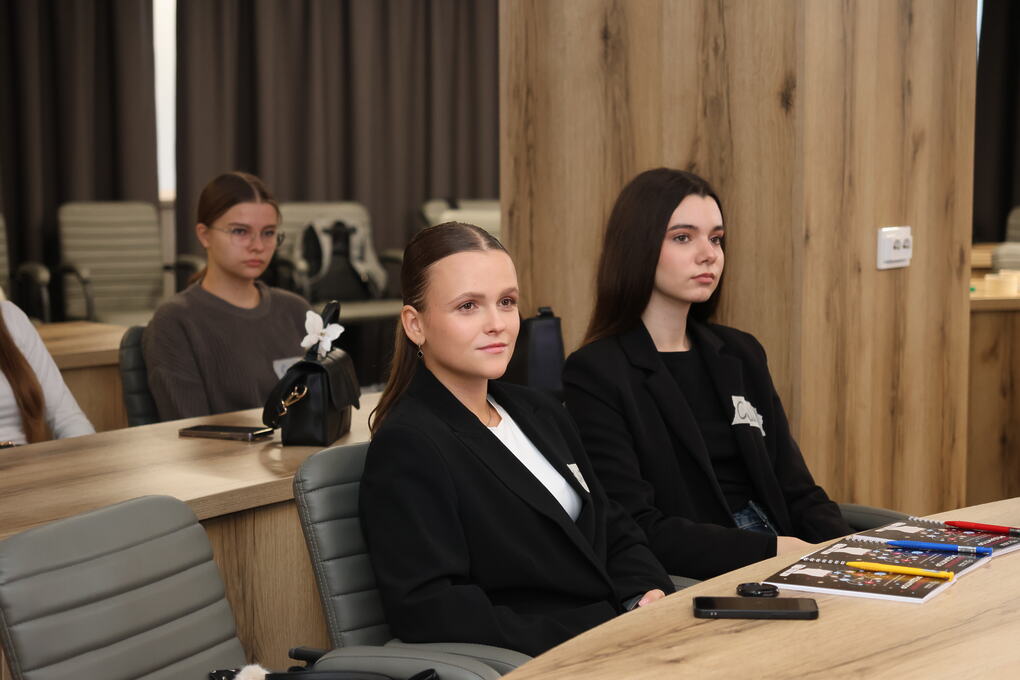
The ‘invisible editor’ may be algorithms, emotions, cognitive biases, familiar sources or presentation. Students considered why familiarity can seem truthful, why emotions precede verification and why personalised feeds are not neutral pictures of the world.
‘We want to move beyond media literacy as rules for finding false stories. The environment is much more complex. We need to see content and the mechanisms behind choice, trust and reactions. Asking those questions already makes someone less dependent on the “invisible editor”,’ said AUP Project Coordinator Yuliia Kulyk.
Day two focused on student initiatives. Teams began projects for their university community.
During sprints, they defined problems, analysed audiences, sought practical responses and formulated outcomes. ‘Improving media literacy’ was insufficient: they had to identify whom an initiative served, what problem it addressed and how success would be assessed.
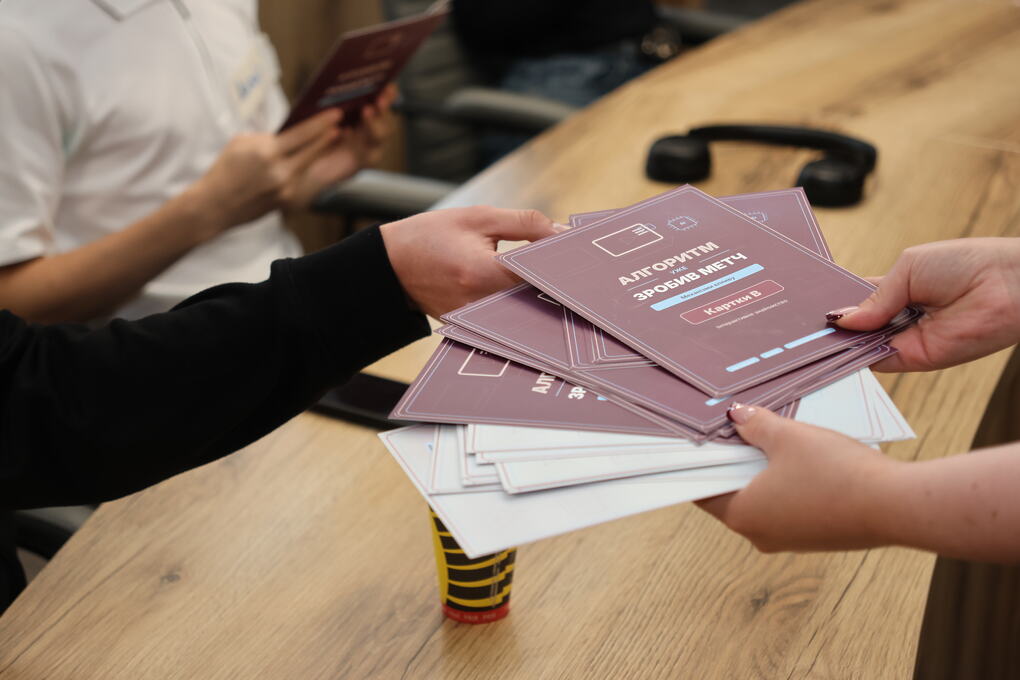
‘A good project starts neither with an attractive name nor an event idea. It starts with understanding the problem: what to change, for whom and with what result. Students must find their own way from problem to idea and implementation, rather than receive ready-made solutions,’ said media trainer Andrii Yurychko, Candidate of Philological Sciences and lecturer at Taras Shevchenko National University of Kyiv’s Institute of Journalism.
Teams will continue after Lutsk, refining projects with advice and implementing initiatives at university. The strongest teams will be able to present their work and join a learning programme in Berlin.
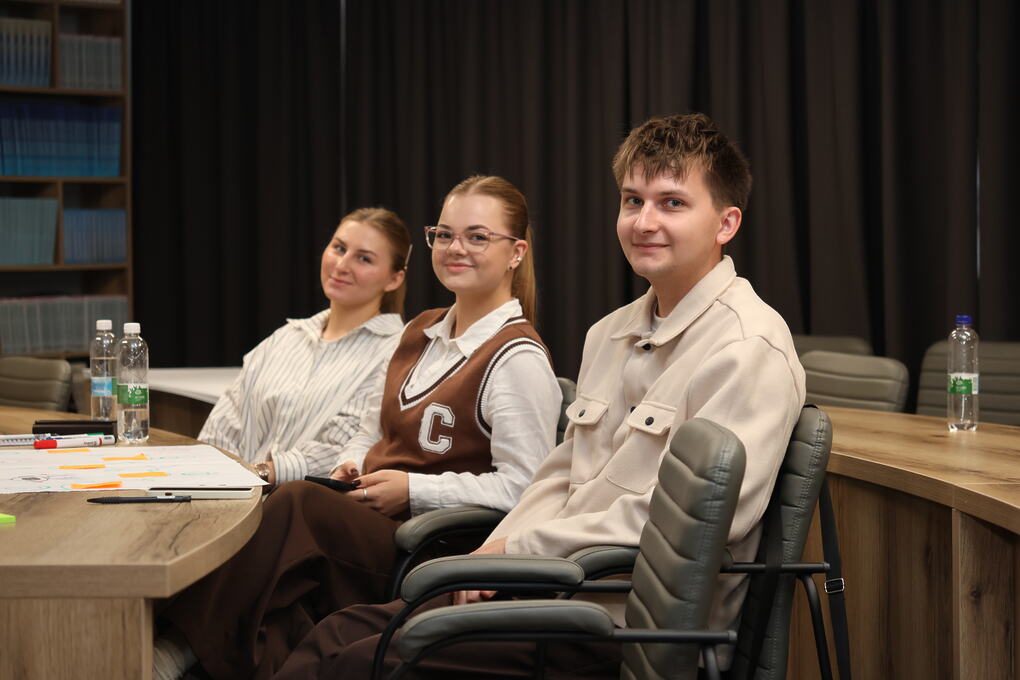
The format gives critical thinking practical expression: students analyse their environment and propose changes for communities in which they study and communicate.
AUP’s partner is CeMIL at Freie Universität Berlin’s Institute for Media and Communication Studies in Germany.
The Centre conducts media literacy and communication training and research, including work with Eastern European journalists and academics, and has implemented projects in previous Eastern Partnership programme rounds.
Organisers thank Lutsk National Technical University and its Rector, Professor Iryna Vakhovych, Doctor of Economics, for hosting and supporting the training.
Special thanks go to Professor Liudmyla Mialkovska, Head of Media, Image and Communication and Doctor of Philology, for the invitation, and to Media Communications and PR students for their work, questions and readiness to seek answers to contemporary media challenges.
Project news, resources, exercises, cases and presentations are collected on the FreeMind Ukraine page.
Translation note: This is a literary translation into British English, produced and proofread using a language model. Read the Ukrainian original.