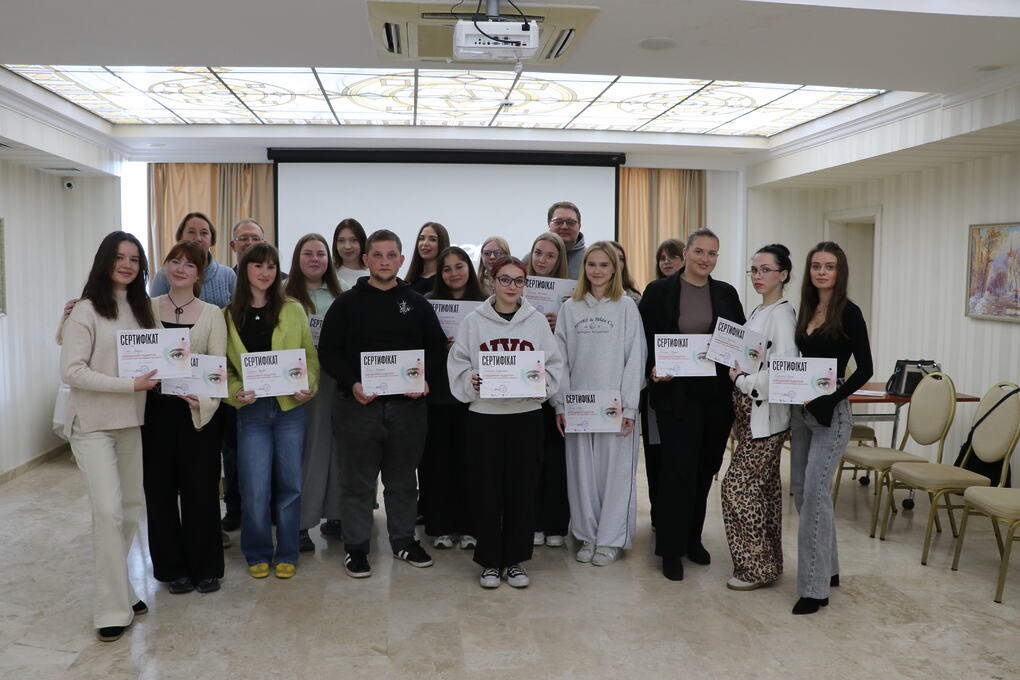
FreeMind Ukraine in Zhytomyr: how manipulation works and what to do about it
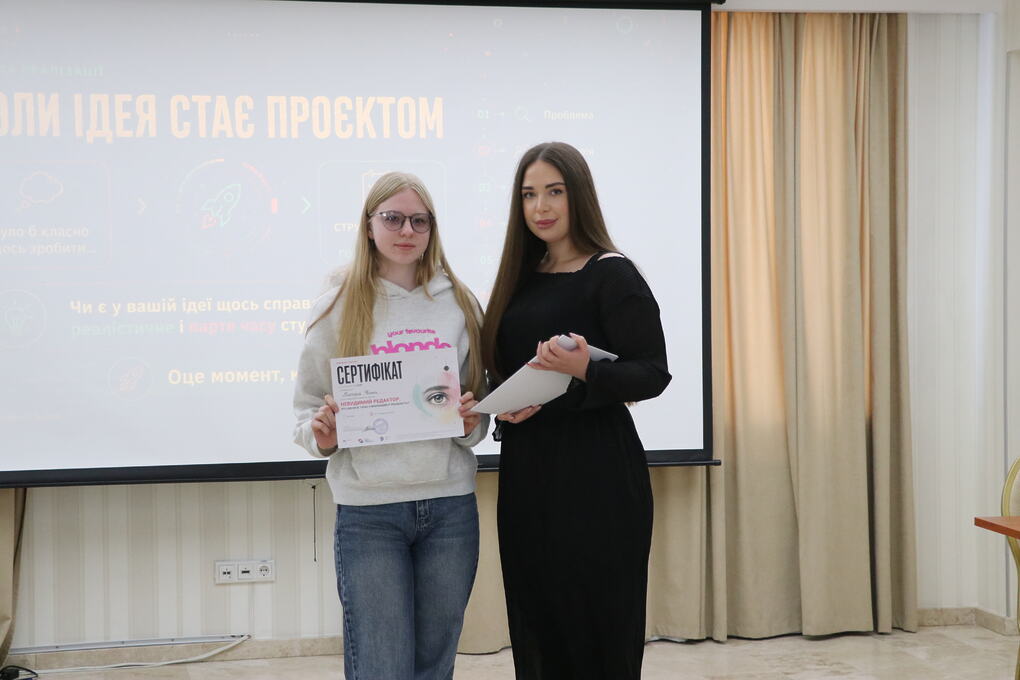
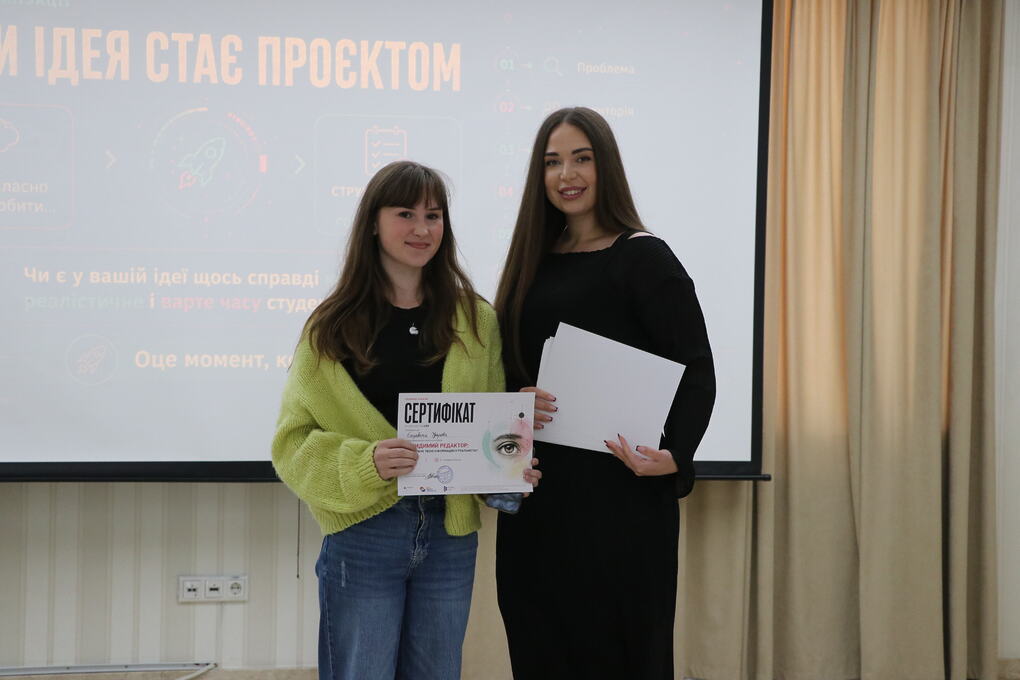
On 29–30 September 2026, FreeMind Ukraine continued its student programme in Zhytomyr. Students at Zhytomyr Ivan Franko State University attended the two-day ‘Invisible Editor: Who Shapes Your Information Reality?’ training.
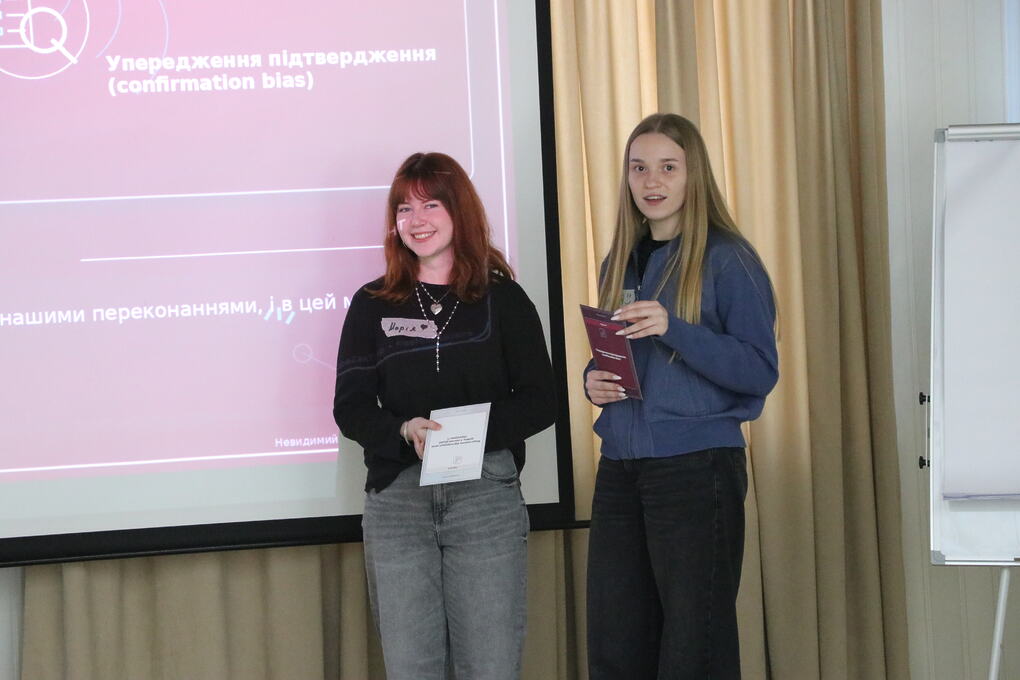
The Academy of Ukrainian Press (AUP) implements FreeMind Ukraine in partnership with the Centre for Media and Digital Literacy (CeMIL) at Freie Universität Berlin’s Institute for Media and Communication Studies.
Over two days, students examined information influence, practised fact-checking, checked sources and open data, worked with generative AI and developed project ideas.
The training began with a question: who really influences what we see, read, remember and ultimately accept as true?
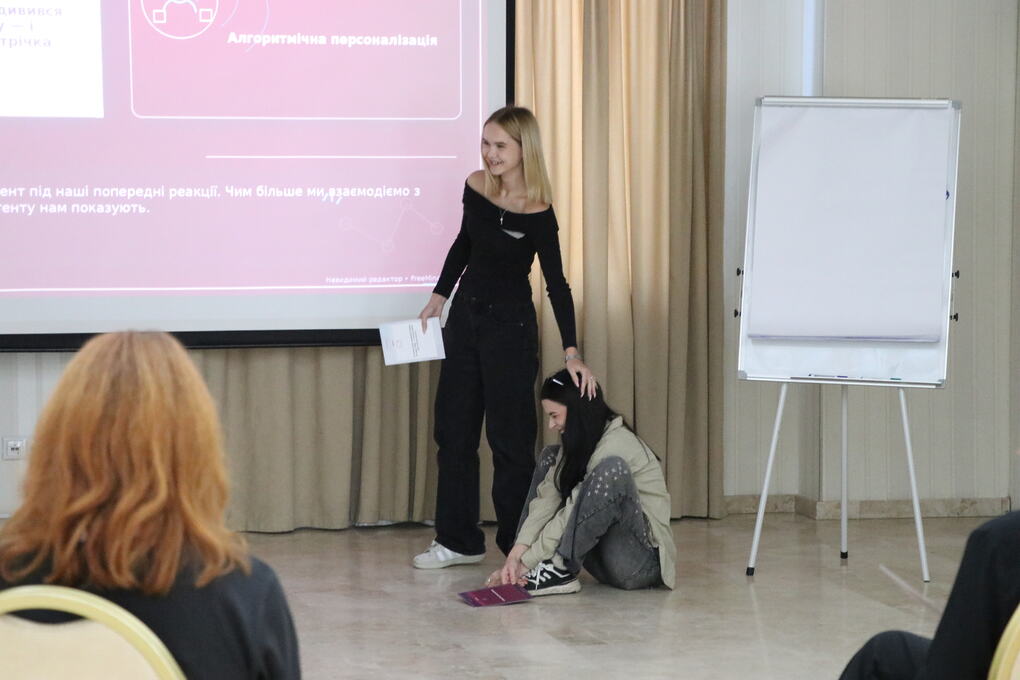
Platform algorithms, emotions, familiar wording, a source’s authority, repetition and our own beliefs can influence perception before we begin consciously analysing a message.
Students examined these mechanisms through real information situations, exercises and discussions. They worked on the psychology of influence, fact-checking, source verification, open data, digital security and online communication.
A separate discussion addressed generative AI. It went beyond the familiar extremes of ‘AI will solve everything’ and ‘it cannot be trusted’. Students put the same questions to generative systems’ answers as to other sources: where did the information come from, does the original source exist, and can the figure, quotation or study be verified?
Even a confidently worded answer can be wrong.
The training’s second part turned to the university’s information environment. Participants were asked to identify what they wanted to change.
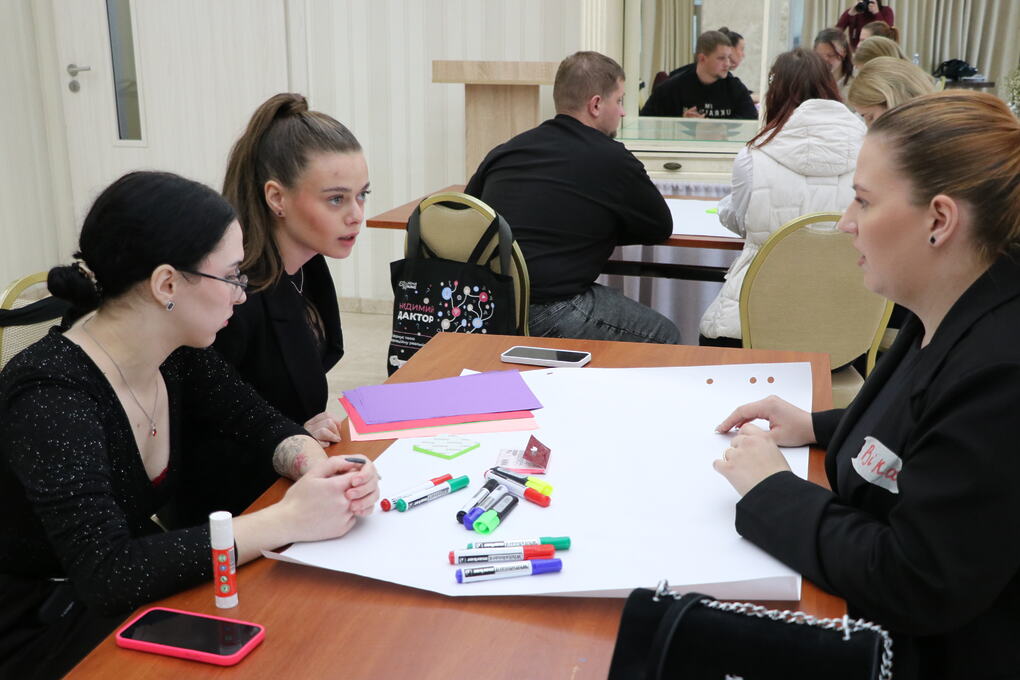
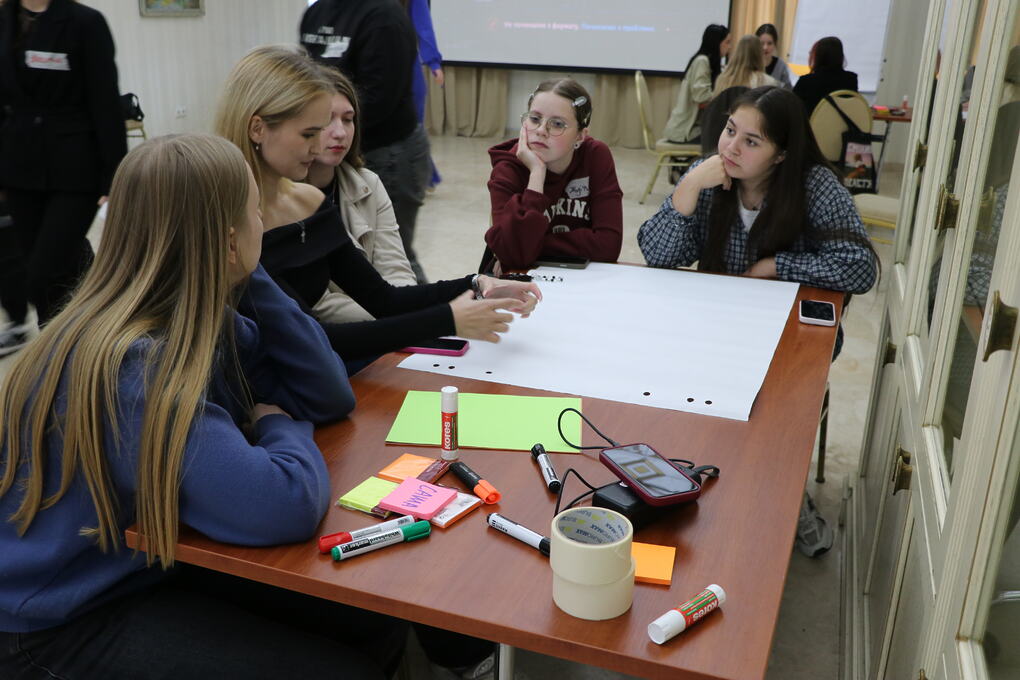
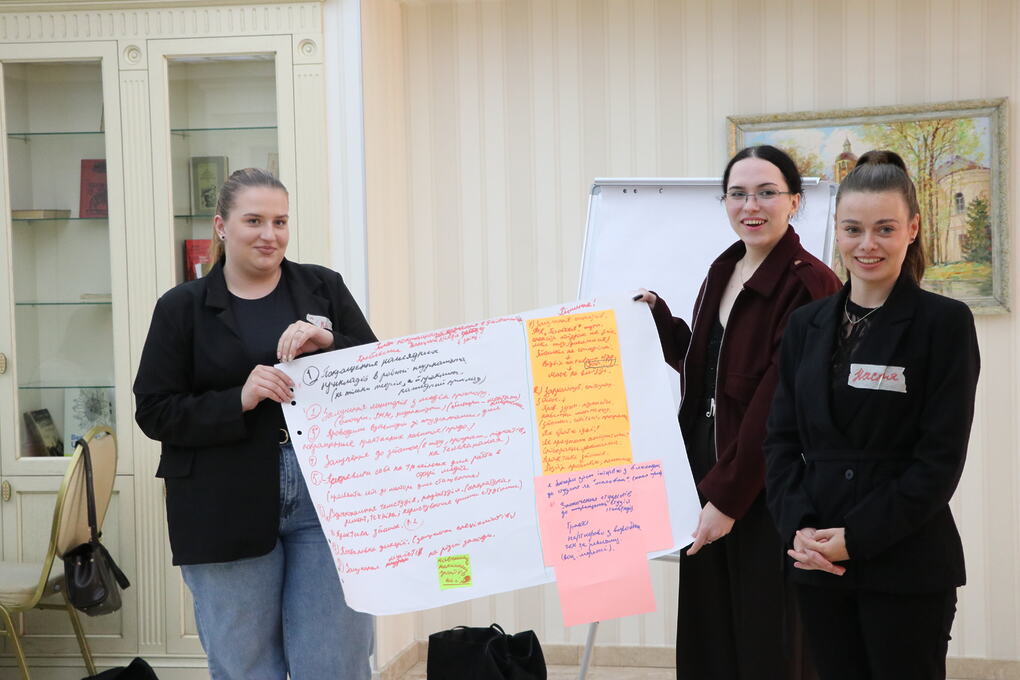
During project sprints, teams chose a specific problem, identified an audience and defined the desired change. They then checked whether their proposed solution genuinely addressed the problem.
Each idea underwent a stress test. Participants questioned one another, identified weaknesses and assessed risks. Teams needed to understand whether an initiative would interest the students it was intended for.
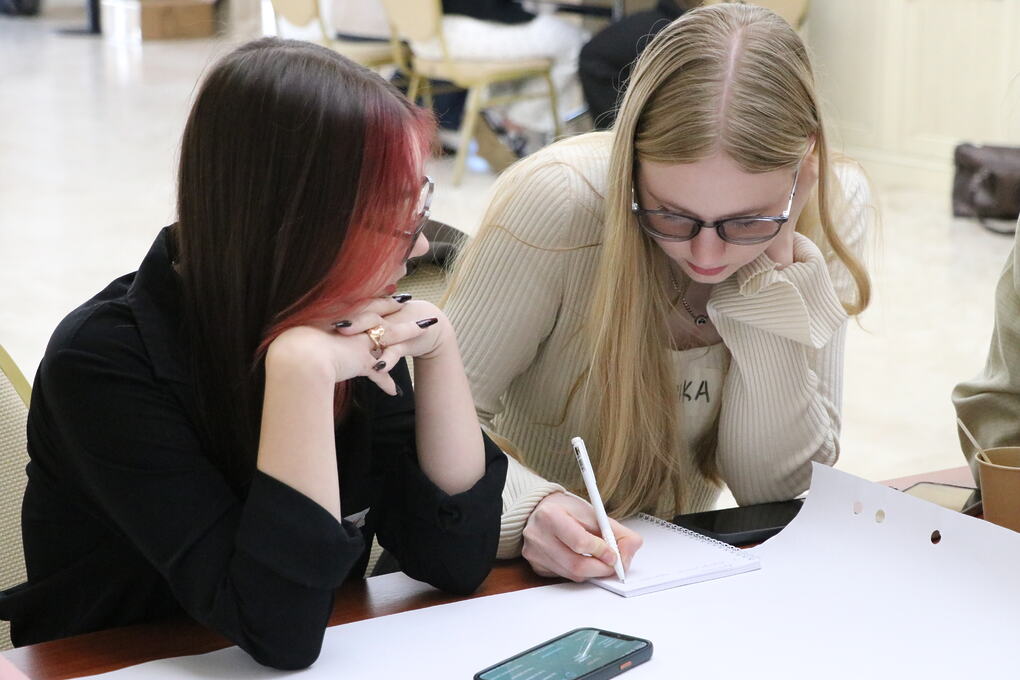
On the second day, ideas became working plans: what to do, who would handle each task, what resources were needed, how to involve audiences and how to assess results.
The broad aim of ‘improving media literacy’ was no longer enough. It had to become specific actions and an observable outcome.
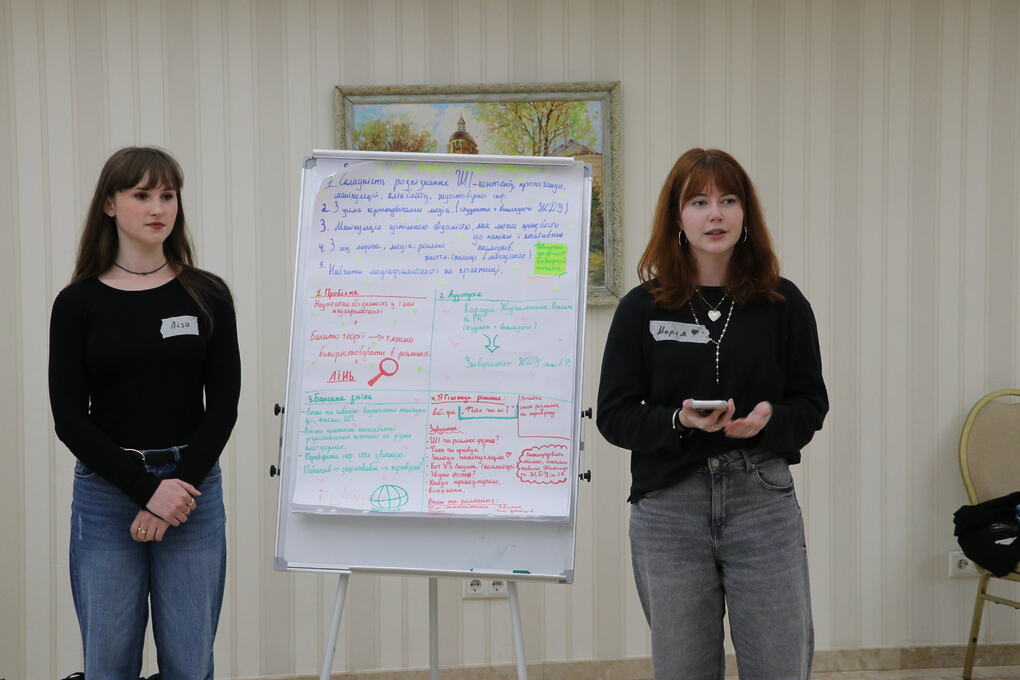
The teams’ work will continue after Zhytomyr. Students will refine projects, receive online advice where needed and prepare to present their initiatives at meetings with representatives of Ukraine’s Ministry of Education and Science.
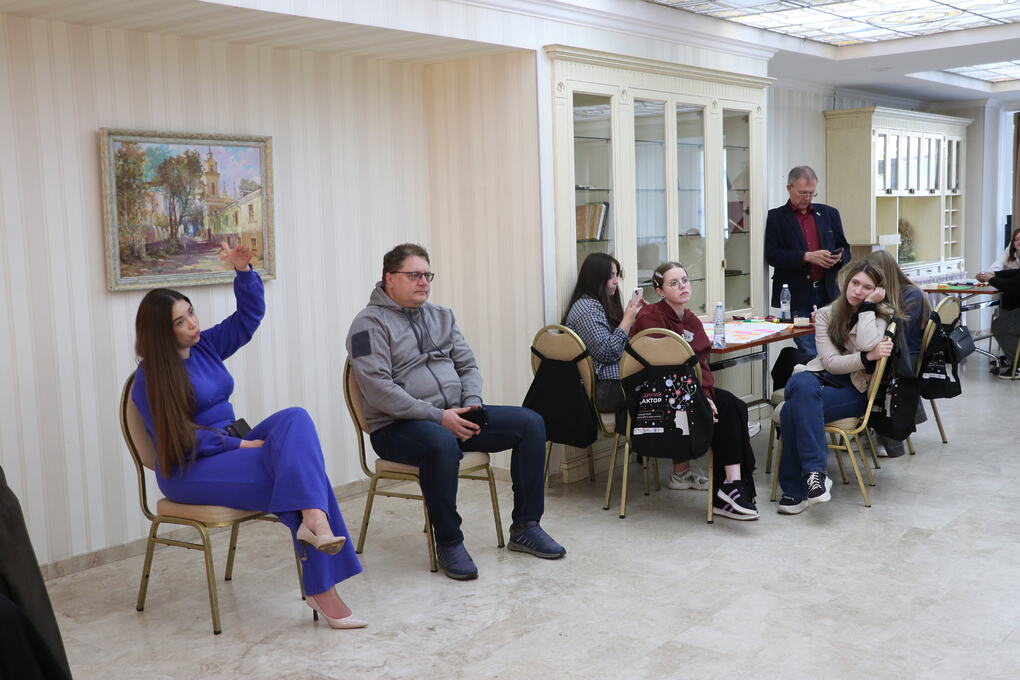
The next task is to implement these projects at their university and demonstrate what changes.
Zhytomyr followed Poltava and Lutsk on FreeMind Ukraine’s route. Each new city brings another student team with its own problem and proposed solution.
All project news, learning resources, exercises, cases and presentations are collected on the FreeMind Ukraine page.
AUP’s implementation partner is the Centre for Media and Information Literacy (CeMIL) at Freie Universität Berlin’s Institute for Media and Communication Studies in Germany. Based within the Institute, CeMIL conducts media literacy and communication training and research, including work with journalists and academics from Eastern European countries. It has also delivered projects under previous rounds of the Eastern Partnership programmes.
Translation note: This is a literary translation into British English, produced and proofread using a language model. Read the Ukrainian original.