From myth to story: European journalism training in Mykolaiv and Odesa
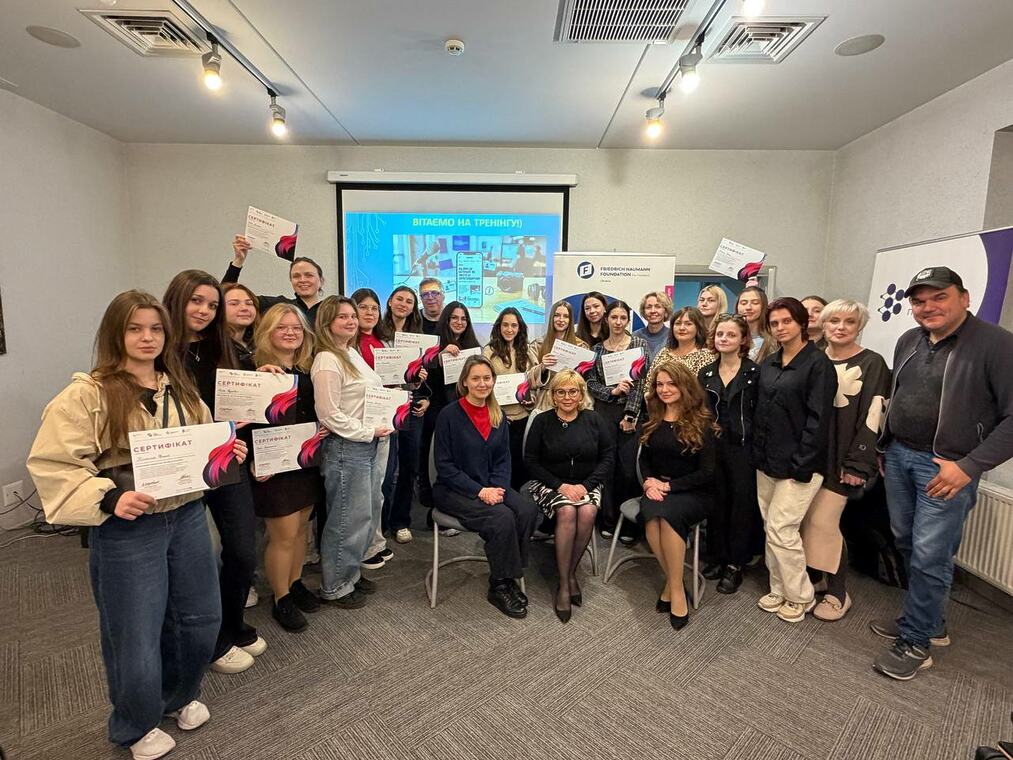
The Academy of Ukrainian Press and the Friedrich Naumann Foundation for Freedom held two European Standards of Journalism: From Myth to Story training courses: in Mykolaiv on 14–15 April and in Odesa on 16–17 April 2026.
Working journalists, lecturers and students came together to explore how to report accurately and professionally on complex social developments, particularly the war, reforms and the country’s reconstruction. Alongside the theory, participants practised their reporting skills.
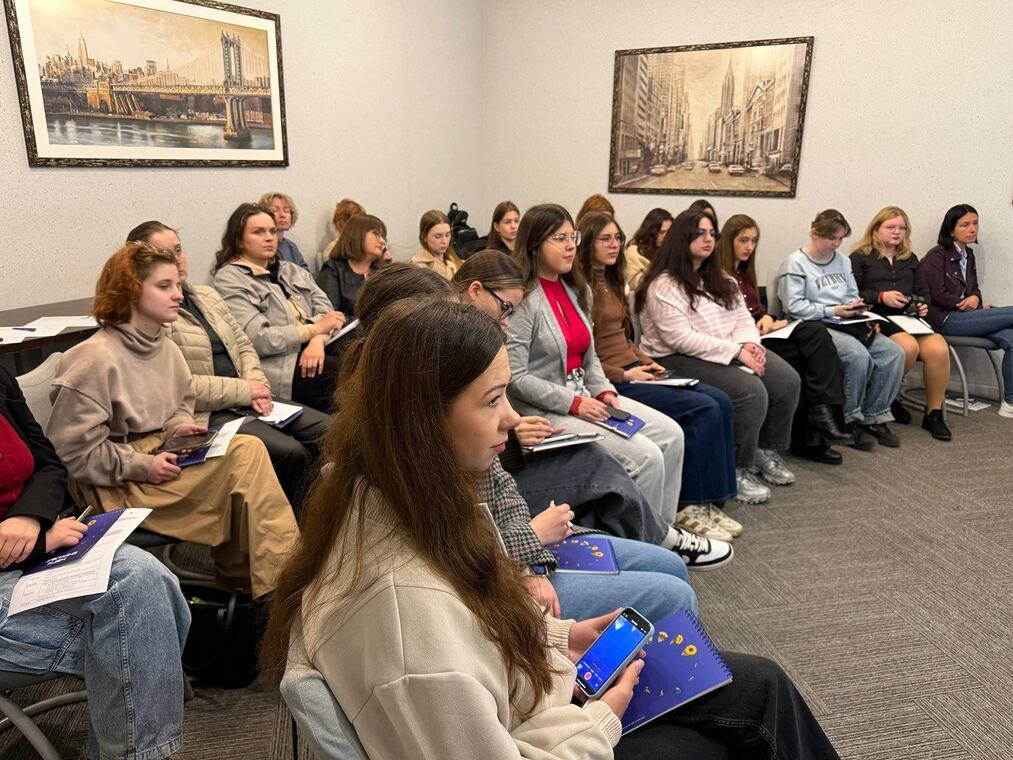
The courses examined how to produce reporting that meets European journalism standards, attract the interest of international media, reach European audiences and build a positive image of Ukraine abroad.
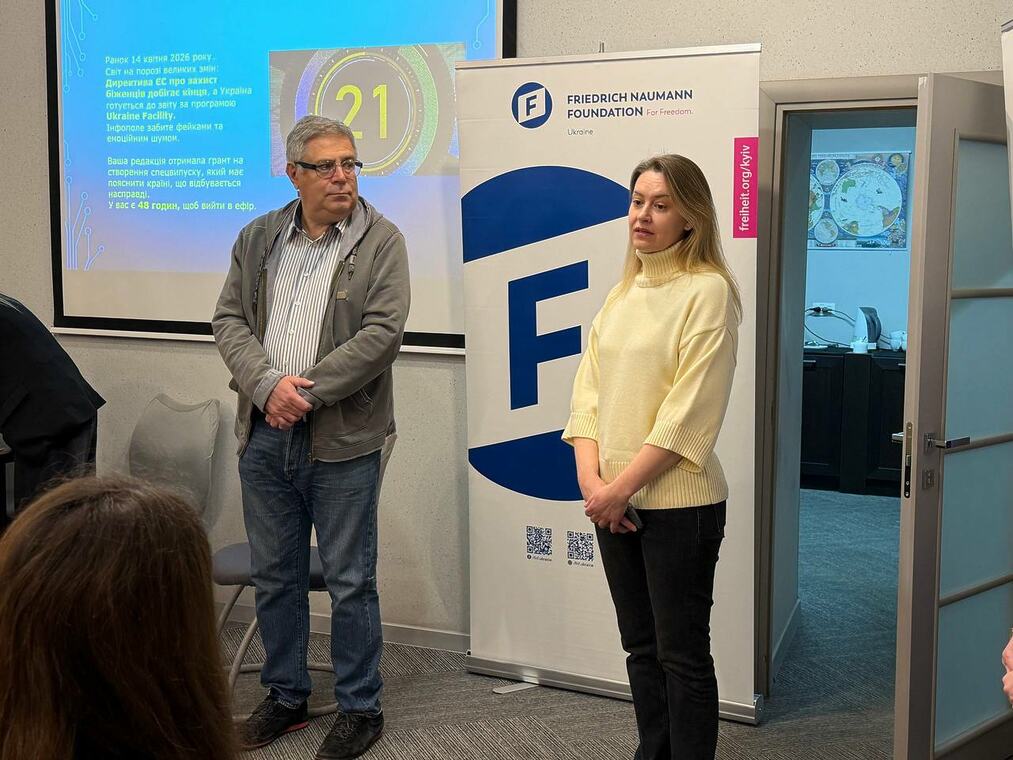
Valeriy Ivanov said:
“European journalism standards rest on accuracy, balance and responsibility towards audiences. In today’s world, journalists must do more than relay information: they need to help society make sense of complex developments. Our task, therefore, is to teach people to produce reporting that informs while also encouraging critical thinking and building trust.”
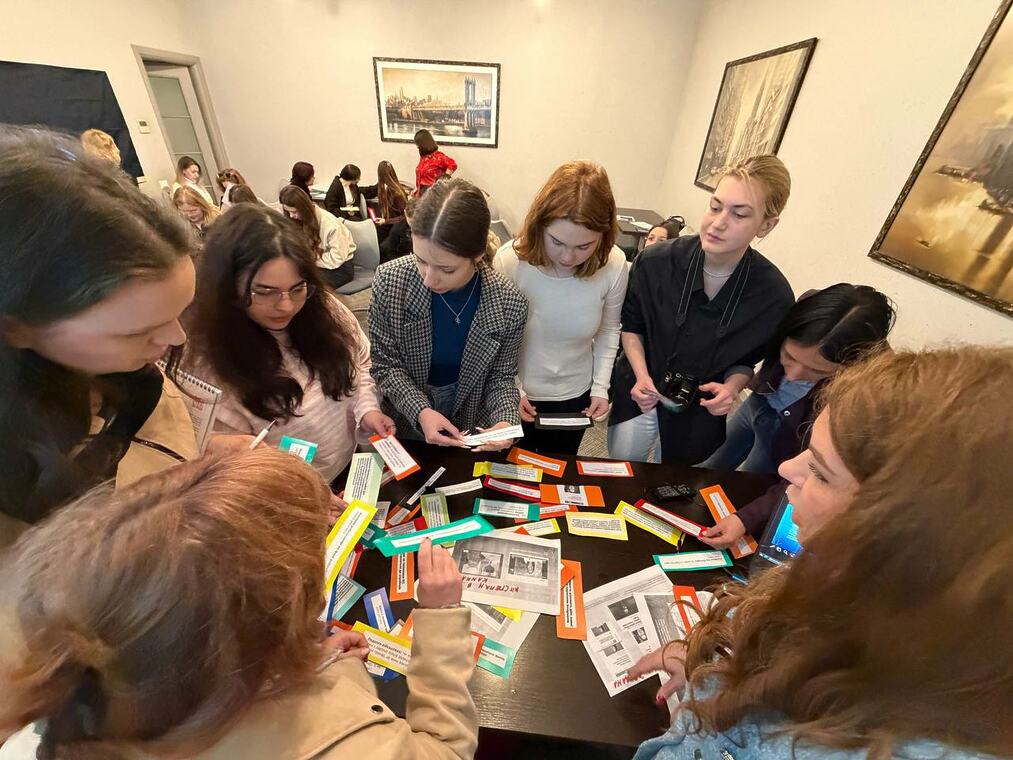
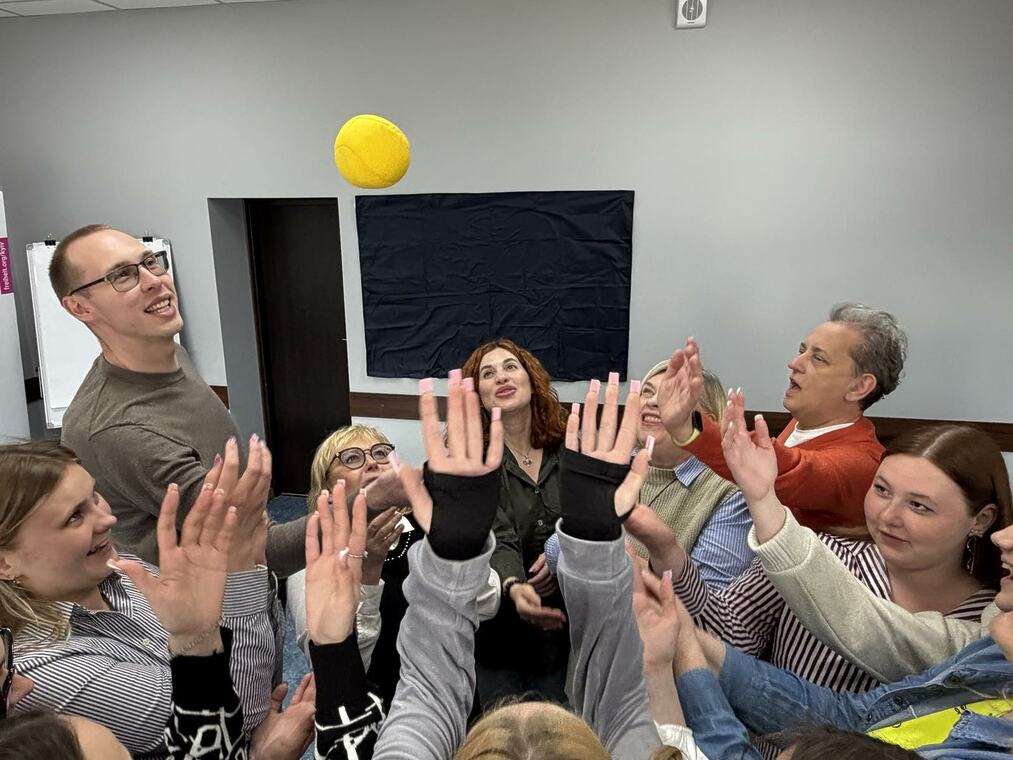
The training took the form of a newsroom simulation. Participants worked in “international bureau” teams to produce their own journalism. A jury assessed the quality of their work and selected the strongest pieces.
Tetiana Ivanova emphasised:
“Working journalists, journalism lecturers and their students came together for European Standards of Journalism: From Myth to Story. The subject proved highly relevant: writing about the war, the progress of reforms and how to rebuild the country may sound straightforward, but in practice it is not. Participants learnt to cover these issues, and it was important to show them how to do so in line with European standards. Particularly interesting was the experience of exploring which subjects interest the European Union, how to engage international publications and how to reach European audiences to promote Ukraine’s image and show the whole truth about this terrible war. The result was quality journalism produced by the ‘international bureau’ teams. A ‘strict’ jury of journalists analysed their work and chose the winners. A business simulation, working in the format of a media channel, always makes for an engaging training course!”
Yuliia Surkova added:
“This war is changing journalism dramatically – journalism in the classical, sanitised sense we were once taught through textbooks and BBC standards. If you think back to how Ukrainian journalists filmed the war in 2014, it feels as though this is now a completely different profession. For instance, nobody in Ukraine now marks themselves or their vehicles with PRESS, because on the front line that label has long meant being a target. Journalists are now also learning to use drone detectors. The intensity of grief during the war has also opened a new discussion about the ethics of covering funerals and showing victims of shelling. It is important to talk about these changes with students. I think we managed to do that in both Mykolaiv and Odesa.”
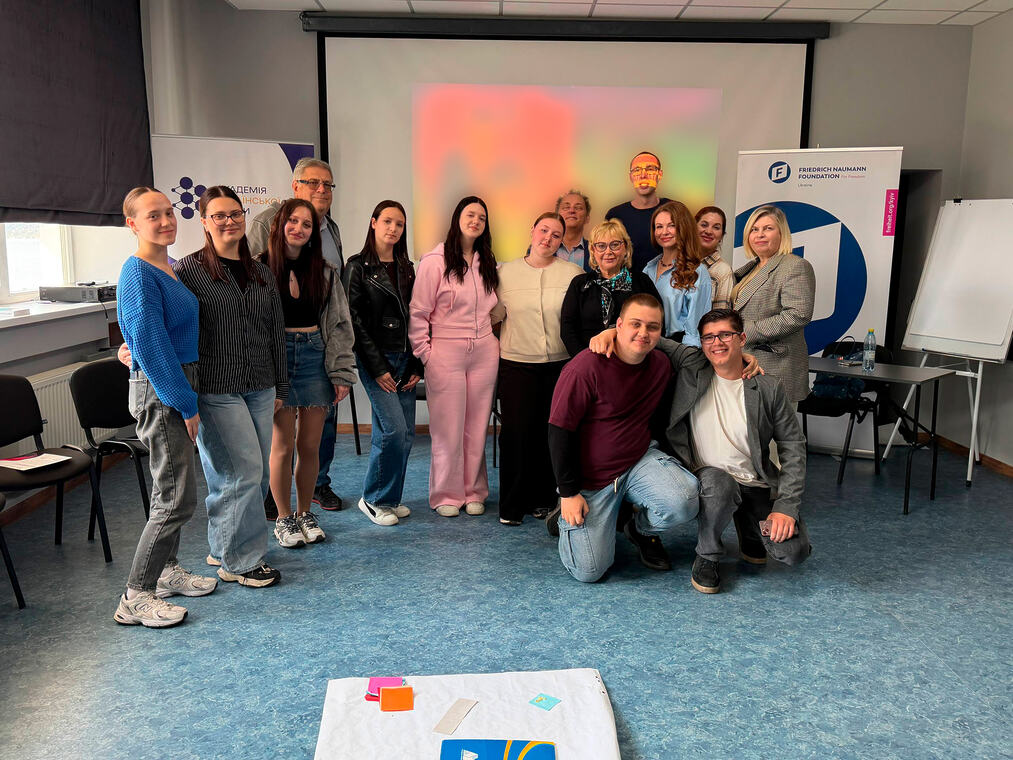
The courses offered an opportunity to learn, exchange experience and ideas, and develop practical skills for participants’ future professional work.
Supported by the Federal Republic of Germany.
Translation note: This is a literary translation into British English, produced and proofread using a language model. Read the Ukrainian original.