Newsroom 2026: The Final Deadline – journalism training in Poltava and Kyiv
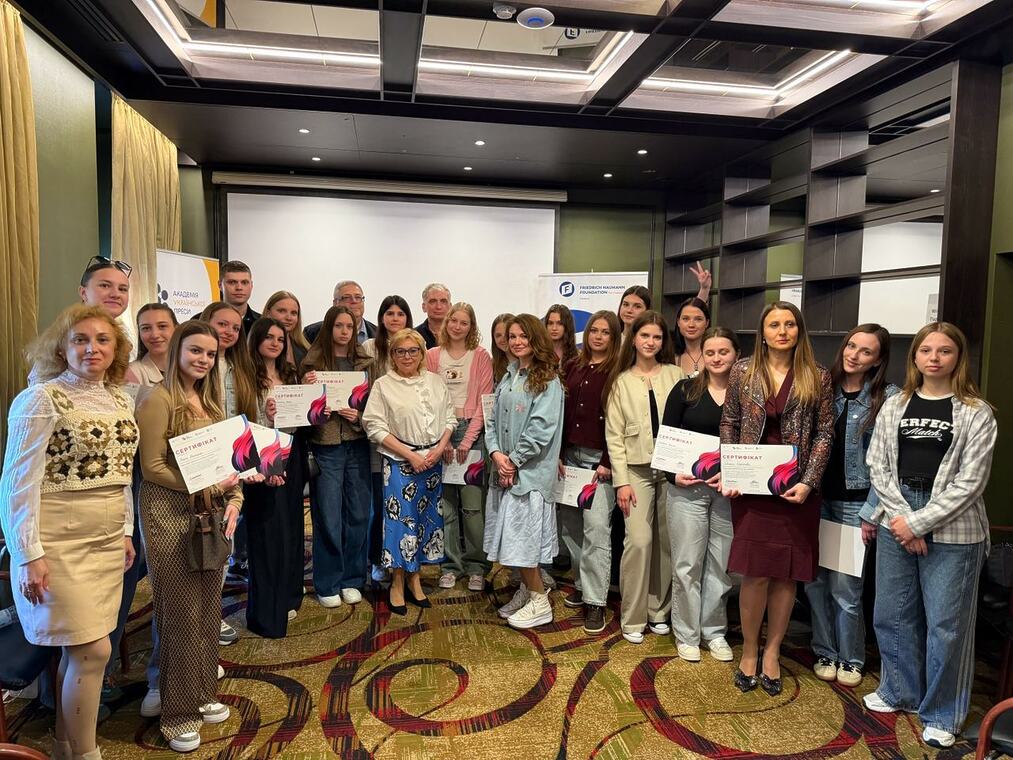
The Academy of Ukrainian Press and the Friedrich Naumann Foundation for Freedom held European Standards of Journalism: From Myth to Story in Poltava on 12–13 May and Kyiv on 14–15 May 2026. The training explored contemporary media practice, working with information and European journalism standards.
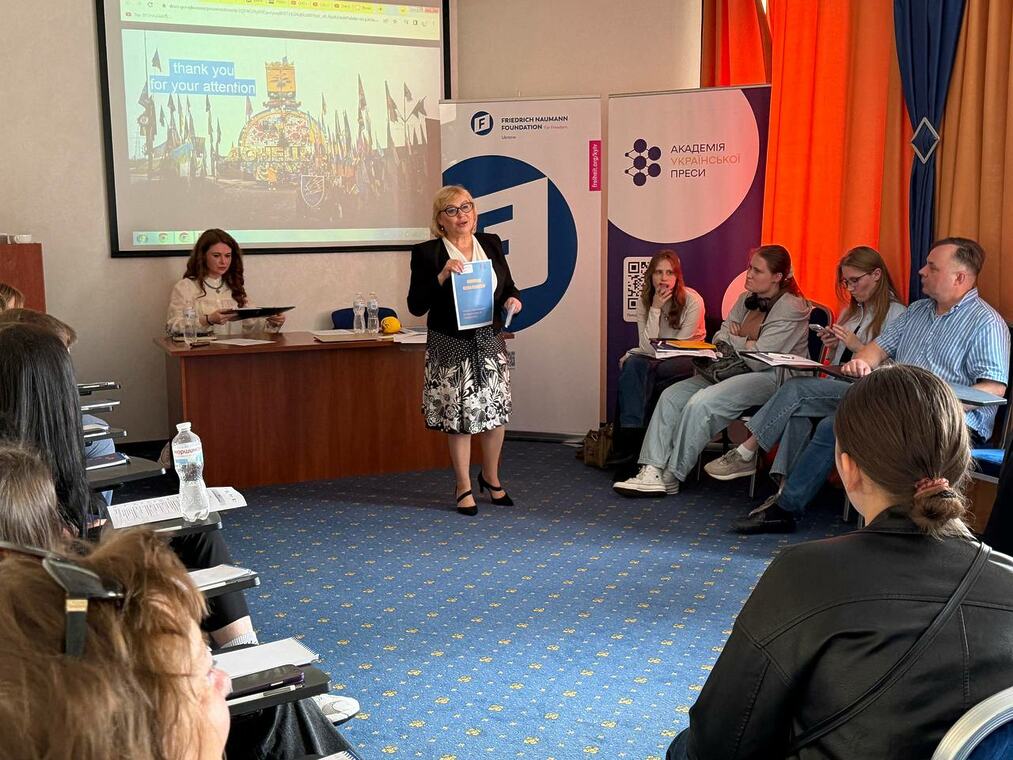
The programme took the form of an interactive quest, Newsroom 2026: The Final Deadline. Participants joined editorial teams to produce their own special edition. They selected topics from a ‘wall of information chaos’, checked facts against European sources, debunked fabricated stories, found people for their reporting and learnt to turn complex data into accessible, engaging articles.
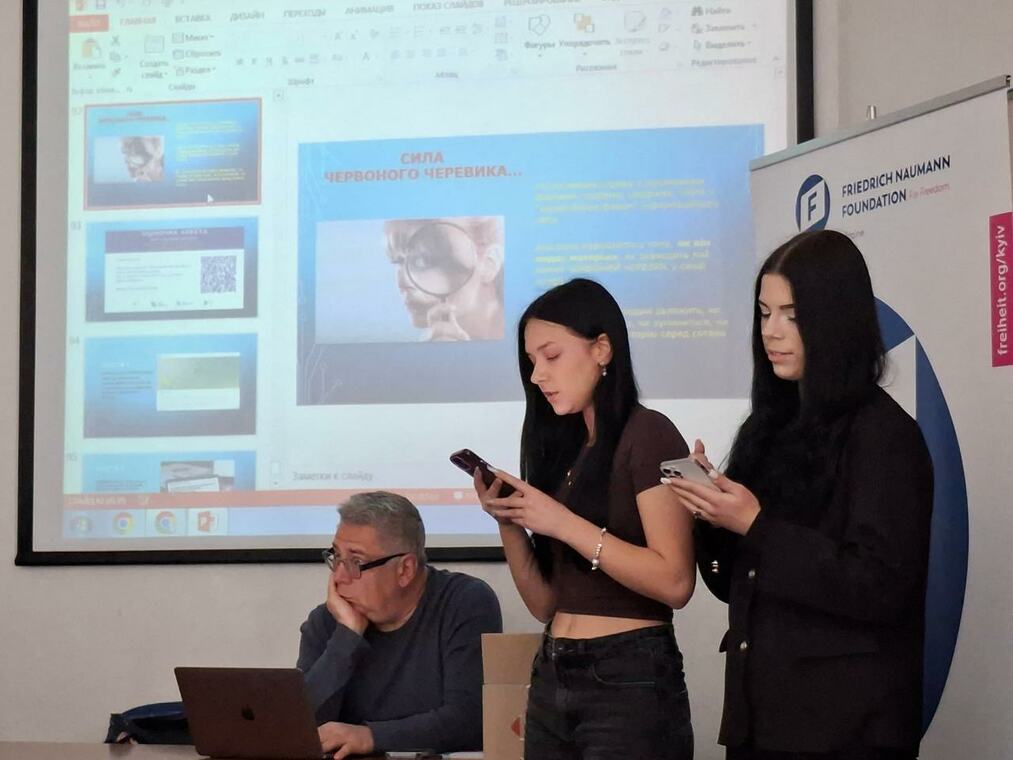
Trainers focused on explaining complex social processes clearly, working with facts and data, and producing journalism that builds trust between reporter and reader. Participants gained theoretical knowledge and produced their own work to European standards, presenting it as a complete editorial project.
AUP President, Doctor of Philological Sciences and Professor Valeriy Ivanov said:
‘Journalism faces major challenges and major opportunities. It is therefore vital that journalists handle information responsibly, uphold professional standards and think critically. During the training, we aimed to give participants practical tools and create space for discussion, exchanging experience and reconsidering journalism’s role in contemporary society. European standards are about rules, but above all about audiences’ trust and our responsibility towards them.’
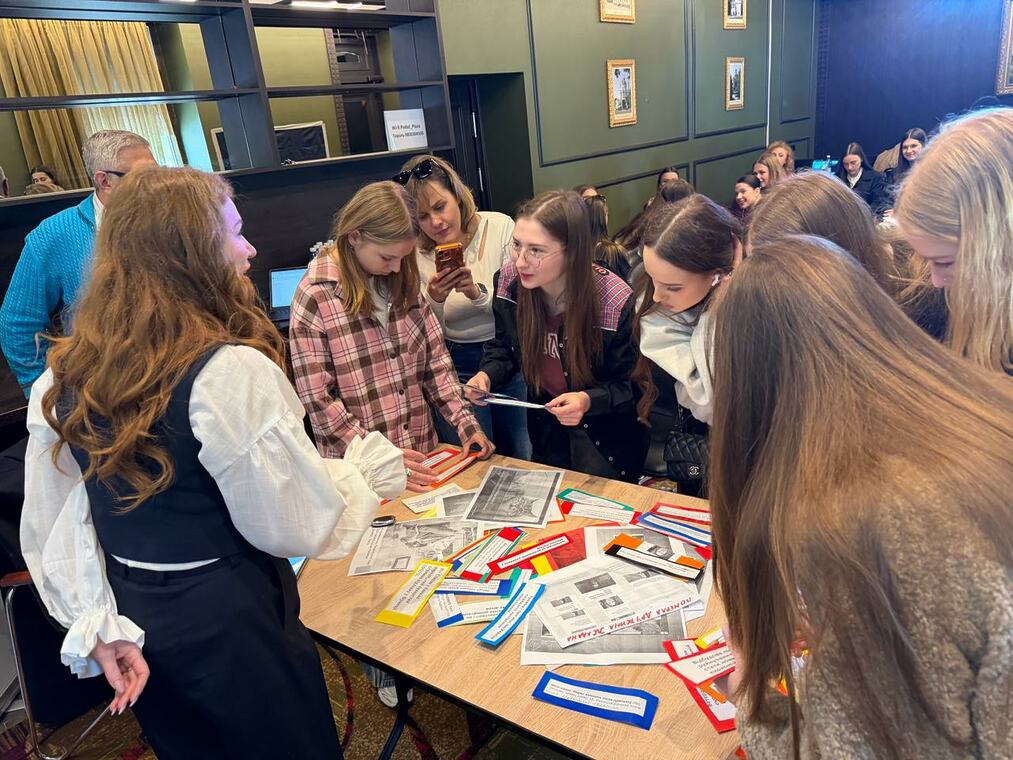
AUP media expert, Doctor of Pedagogical Sciences, Professor and Head of Mariupol State University’s Department of Social Communications Tetiana Ivanova shared her impressions:
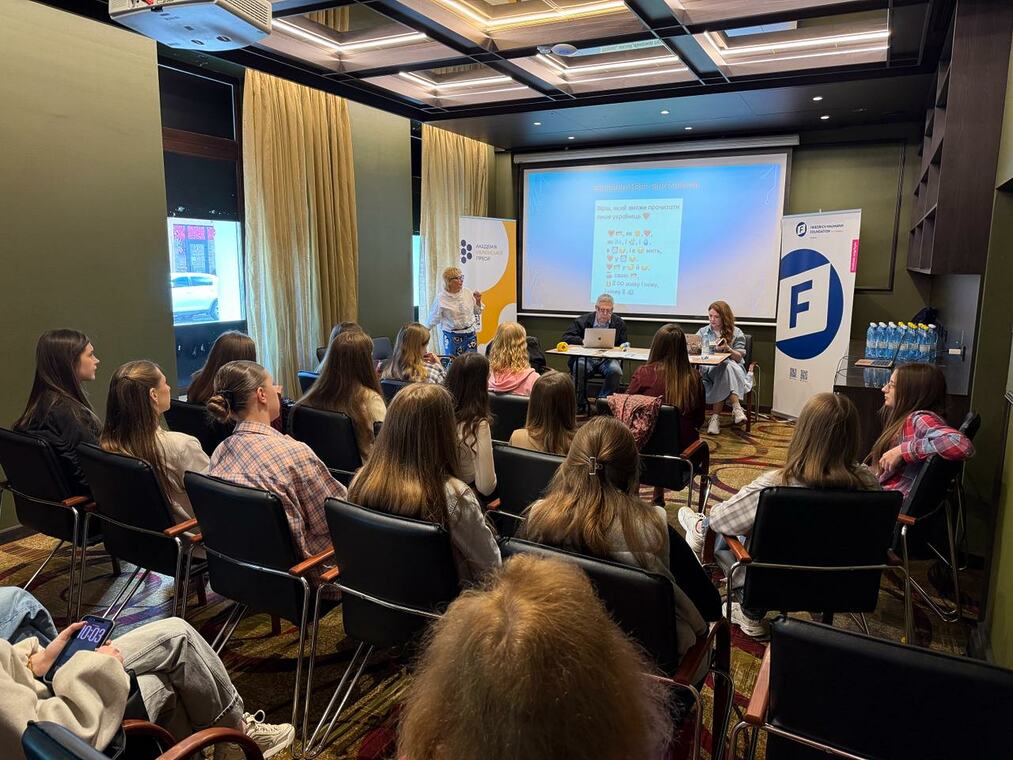
‘The atmosphere was extraordinary: aspiring journalists still at university worked shoulder to shoulder with experienced editors. That synergy was captivating. Participants generously shared their substantial experience during teamwork, and everyone became a mentor to someone else. Honestly, the two days flew by. Together, we reconsidered European standards in the light of today’s realities: exploring fact verification and the subtleties of storytelling, practising Plain Language and learning to turn the most complex ideas into engaging texts. There was plenty of hands-on work, passionate discussion, creative headline writing, genuine newsroom disagreement and a great deal of laughter. At the end, the Newsroom 2026 “newsrooms” defended their projects. Every one conveyed energy, a desire to develop and an ambition to create quality, honest formats. Real journalism always begins with people who believe in the power of words and are ready to move forward.’
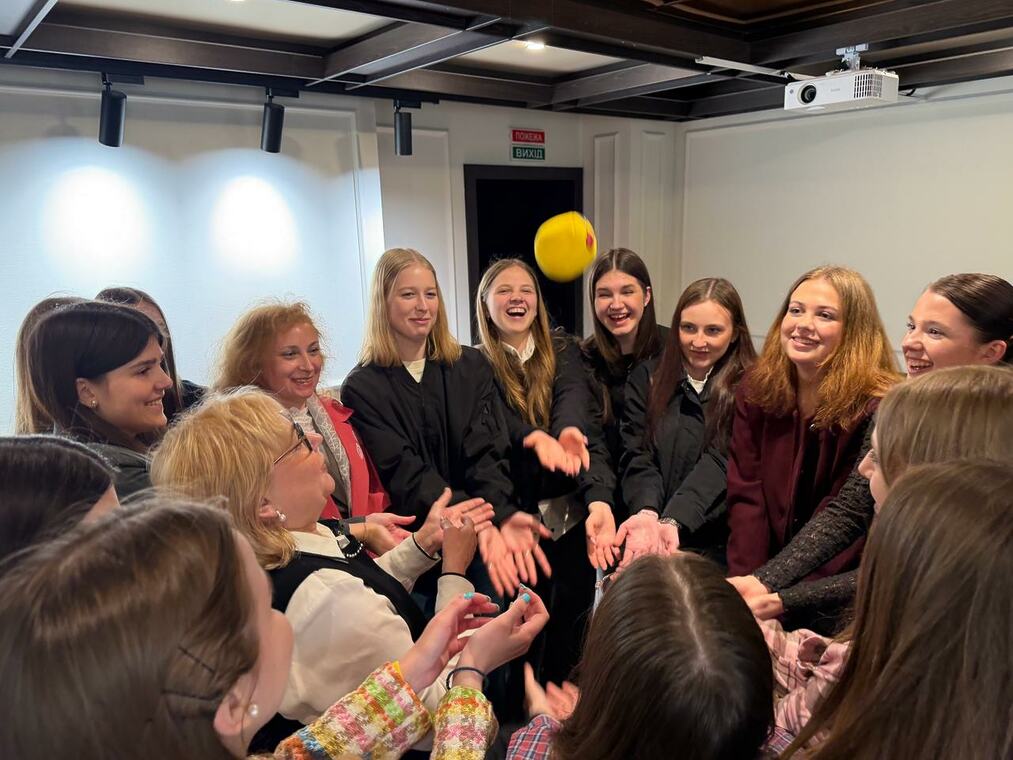
War journalist, reporter and media trainer Yuliia Surkova emphasised the importance of professional debate:
‘It was a genuinely strong group. Participants asked perceptive questions and prompted even us trainers to reflect. We discussed how journalism has changed in recent years, how war affects it, and how Ukrainian journalists are shaping new global standards and subjects. I think training like this is particularly relevant and necessary now, because journalism continues to develop. What counted as normal or established practice ten years ago is changing. We are all part of that discussion, which is why meeting, examining these changes and reaching fresh conclusions matters so much.’
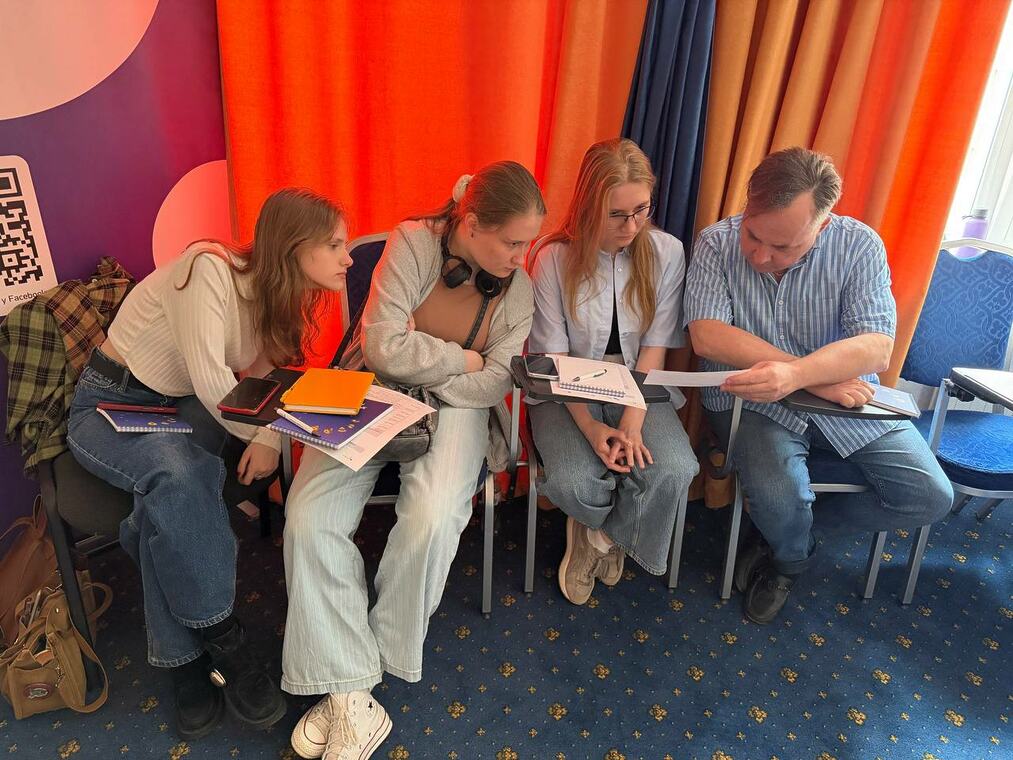
Organisers stress that the distance between a myth and quality reporting is bridged by journalists’ professionalism, responsibility and ability to handle information according to standards that build public trust. Initiatives like these help aspiring and practising journalists improve their skills and develop a Ukrainian journalism culture that is responsible, contemporary and oriented towards European values.
Supported by the Federal Republic of Germany.
Translation note: This is a literary translation into British English, produced and proofread using a language model. Read the Ukrainian original.