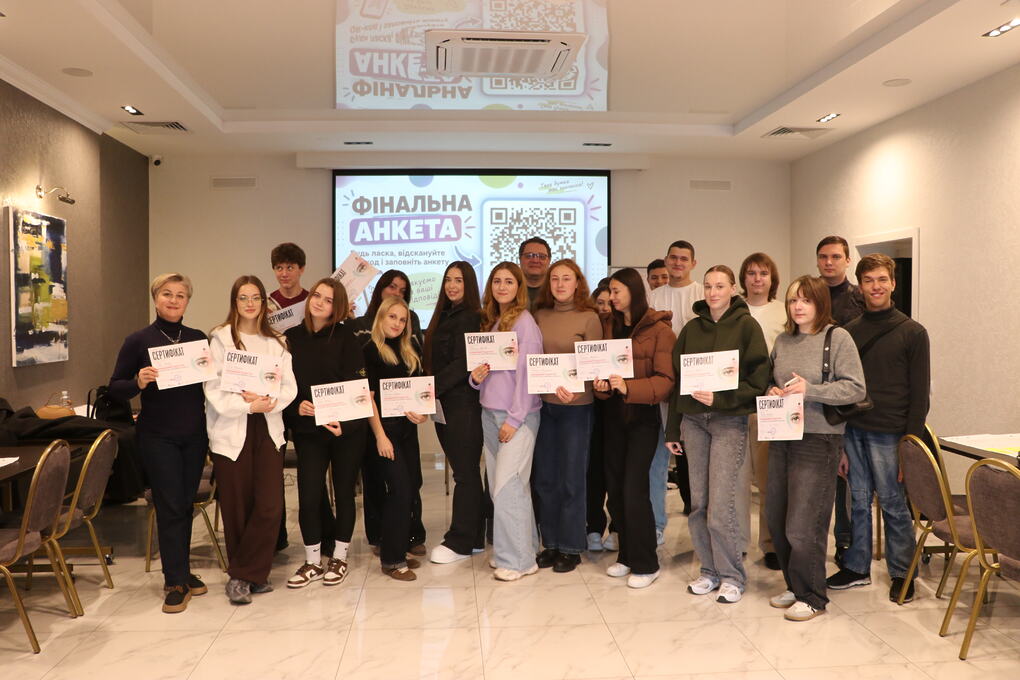
FreeMind Ukraine in Rivne: media literacy, AI and student initiatives
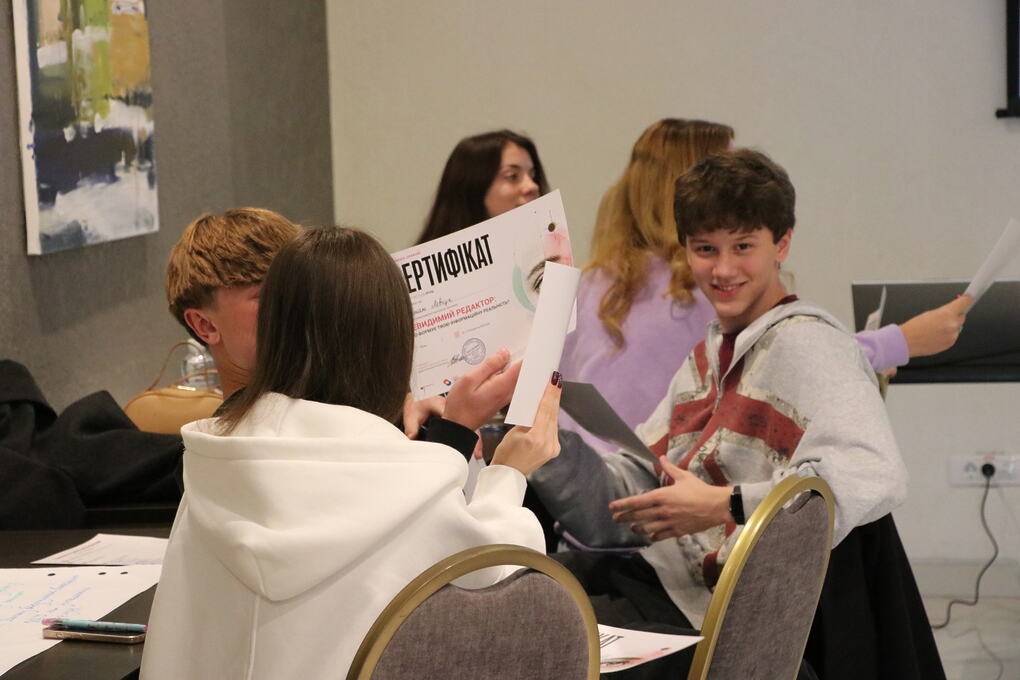
On 13–14 October 2026, students at the National University of Water and Environmental Engineering in Rivne attended FreeMind Ukraine’s ‘Invisible Editor: Who Shapes Your Information Reality?’ training. They learnt to recognise manipulation, verify information and AI answers, and develop initiatives for their university community.
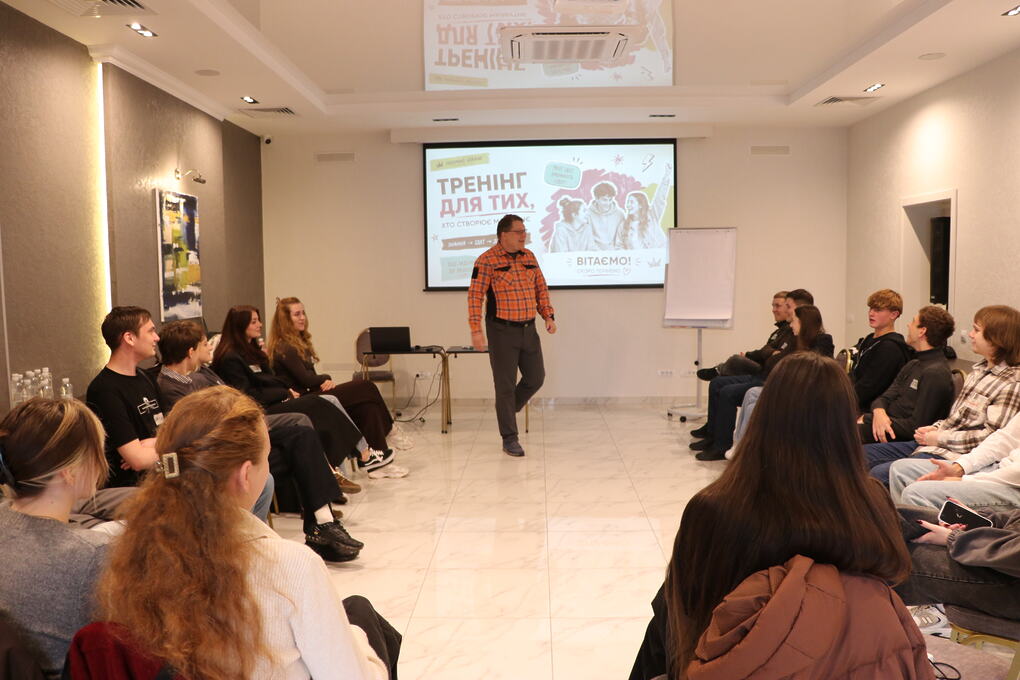
AUP Project Coordinator Yuliia Kulyk and media trainer Andrii Yurychko, Candidate of Philological Sciences and lecturer at Taras Shevchenko National University of Kyiv’s Educational and Scientific Institute of Journalism, delivered the training.
Why do familiar claims seem truer over time? Why do we want to share emotional posts before checking? How does a personalised feed shape our view of the world? These questions opened work on the psychology of information influence.
Over two days, participants examined how emotions, algorithms, cognitive biases, source authority and presentation affect everyday decisions. They practised fact-checking, verified primary sources, analysed open data and examined situations where figures create an illusion of persuasiveness without sufficient evidence.
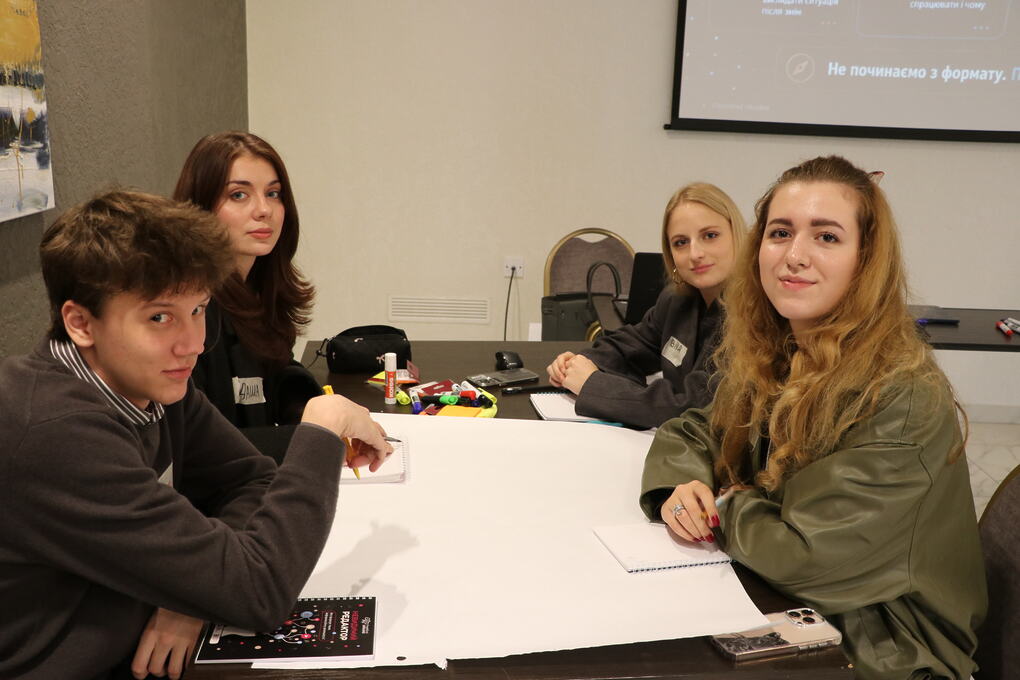
A separate section explored generative AI. Students examined why a confident answer does not guarantee accuracy and learnt to verify generated links, studies and numerical data.
They discussed the limits of digital assistance: when it helps with information and when it can introduce errors. Primary-source verification remains necessary even when an answer appears detailed and convincing.
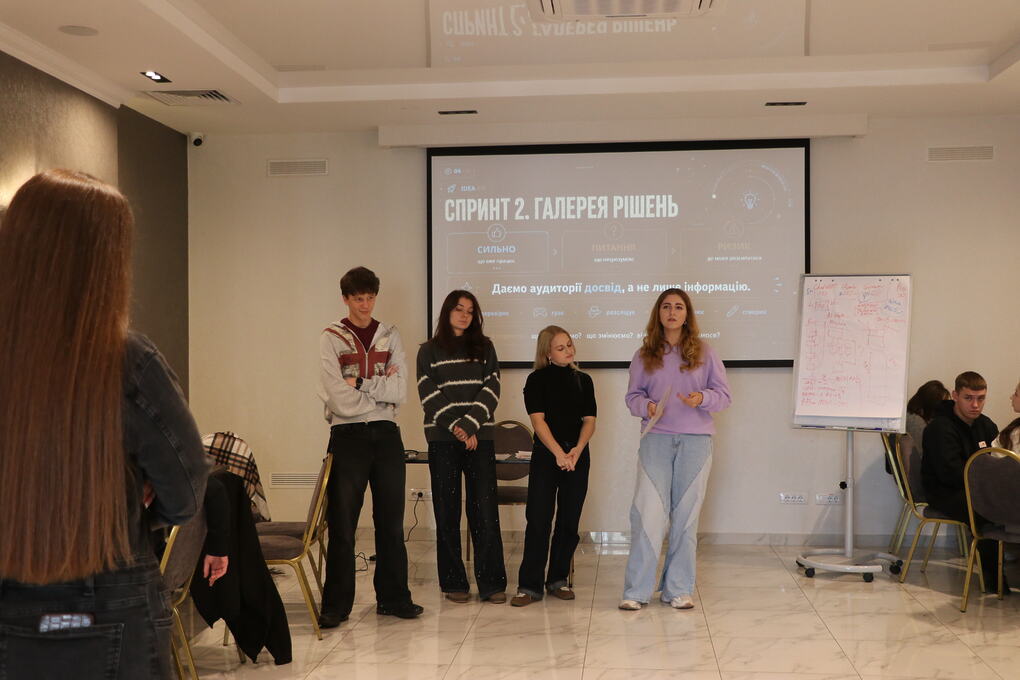
Practical sessions focused on projects. During sprints, teams identified university problems, defined audiences and formulated the change they wanted to achieve.
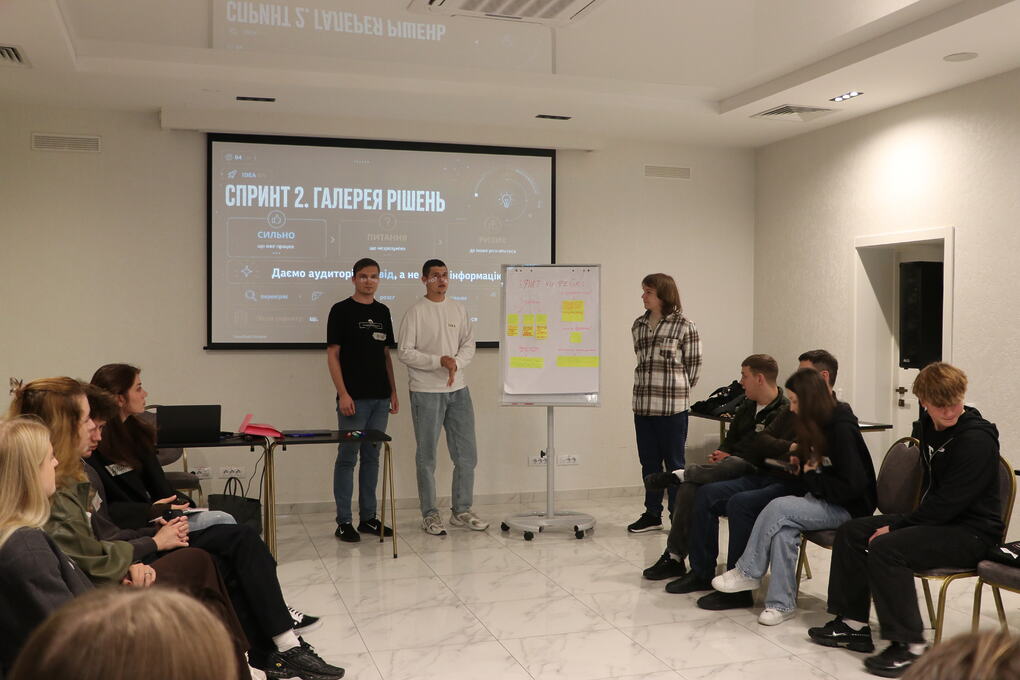
Each idea was tested through discussion. Participants questioned one another, identified weaknesses and assessed feasibility. On the second day, teams refined implementation, assigned roles, assessed resources and risks, and defined expected outcomes.
Instead of the broad ‘we want to improve media literacy’, they had to explain whom a project served, what problem it addressed and what should change after implementation.
After training, students will refine initiatives, receive online advice where needed and implement them within their university.
At the next stage, teams will present results: what they achieved, whom they involved, which formats worked and what audiences gained.
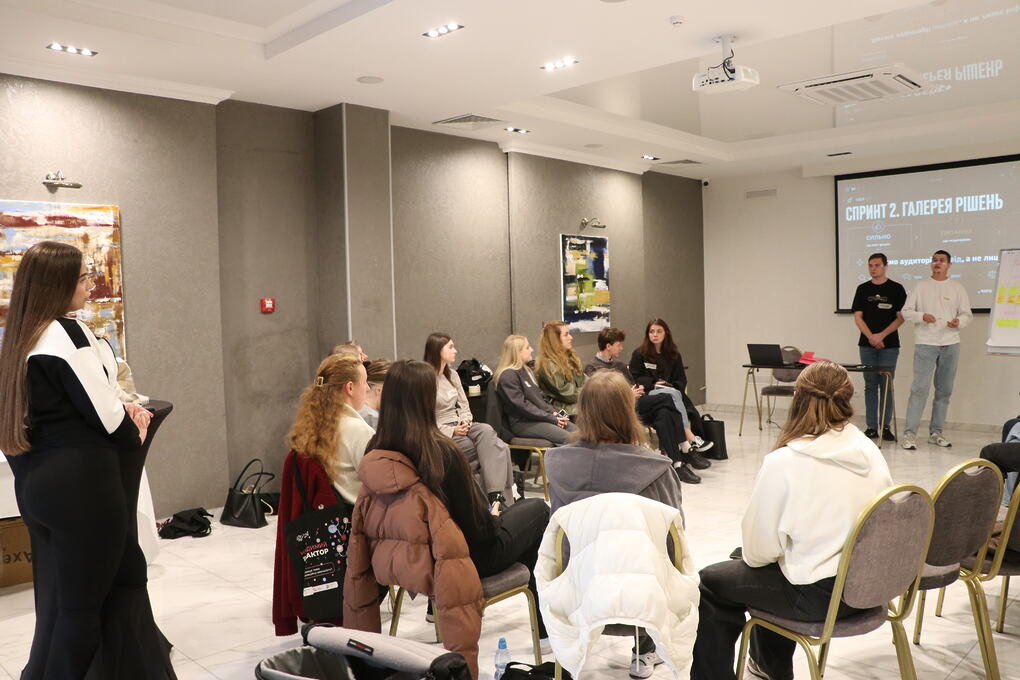
Rivne was FreeMind Ukraine’s fifth student-programme city, alongside Poltava, Lutsk, Zhytomyr and Cherkasy. The National University of Water and Environmental Engineering is one of five participating Ukrainian universities. With training completed, all teams move to implementing initiatives against information manipulation.
Organisers thank the university for its welcome and support. Special thanks go to Professor Olha Mitchuk, Doctor of Social Communications, for organisational assistance, involvement and work with students.
AUP’s FreeMind Ukraine partner is the Centre for Media and Digital Literacy (CeMIL) at Freie Universität Berlin’s Institute for Media and Communication Studies in Germany.
Read also
- FreeMind Ukraine in Cherkasy: from the ‘invisible editor’ to student initiatives.
- FreeMind Ukraine in Zhytomyr: how manipulation works and what to do about it.
- FreeMind Ukraine: project information, news and learning resources.
Translation note: This is a literary translation into British English, produced and proofread using a language model. Read the Ukrainian original.