Pause before reacting: how critical thinking helps resist political manipulation
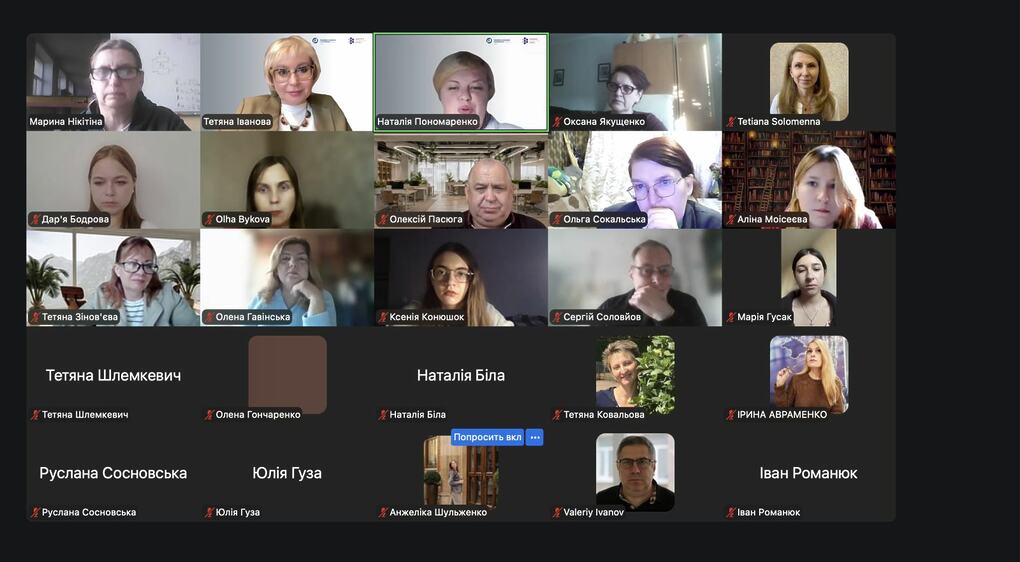
On 29–30 September 2026, the Academy of Ukrainian Press held the ‘Critical Thinking During Elections’ webinar with support from the Friedrich Naumann Foundation for Freedom.
Over two days, participants learnt to recognise information manipulation, analyse political messages and avoid letting emotions determine their responses. They focused on situations audiences may encounter during election campaigns: political advertising, public statements, dubious ‘inside information’, manipulative polls, false stories, smear campaigns and information attacks.
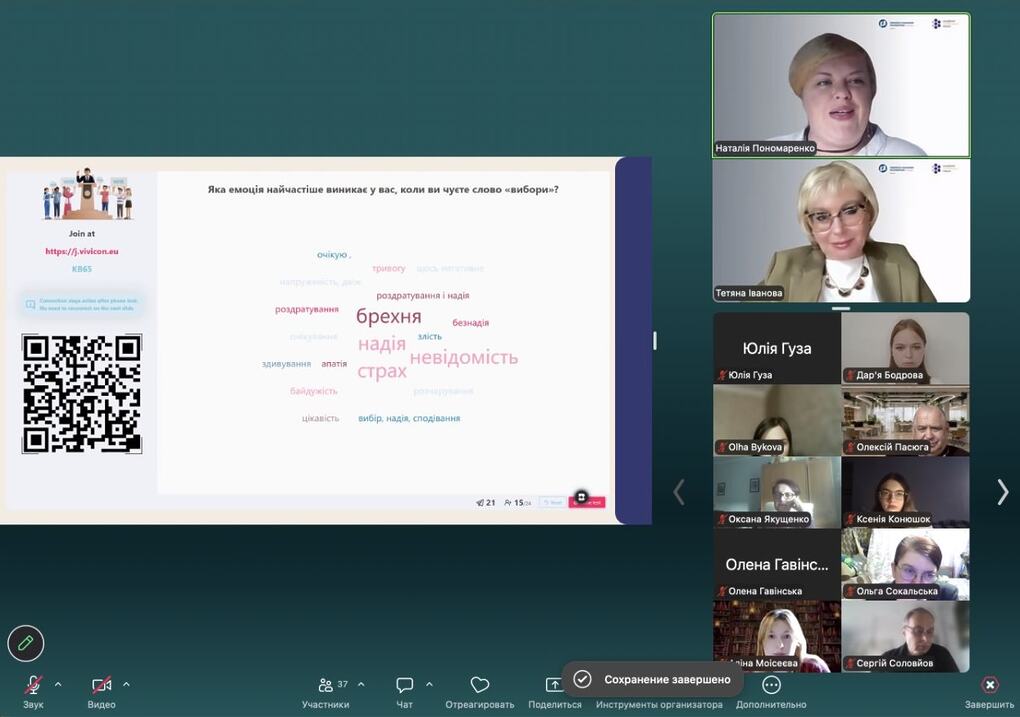
Particular attention went to emotional triggers in political communication. Participants analysed messages, identified the emotions they sought to provoke, looked for manipulation and practised checking sources, evidence and context.
Professor Valeriy Ivanov, President of AUP and Doctor of Philology, stressed the importance of independent judgement during elections:
‘During elections, information becomes a key influence on perceptions of political processes. At precisely this time, it is particularly important to retain the ability to analyse messages independently, check facts and distinguish argument from manipulation. Critical thinking does not mean distrusting everything we hear or read. It means being willing to ask questions, check a source, consider the context and only then form our own view. For voters, this is more than an information skill: it is part of taking responsibility for their decisions.’
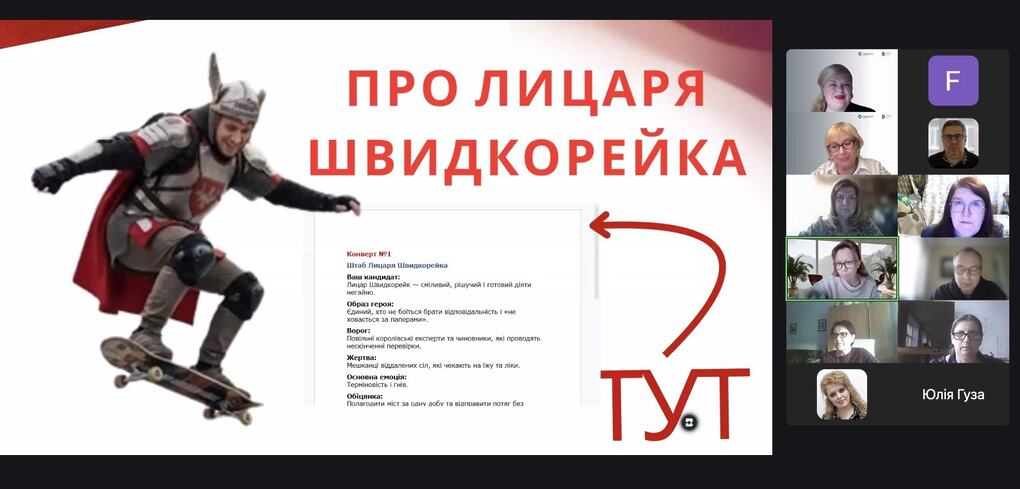
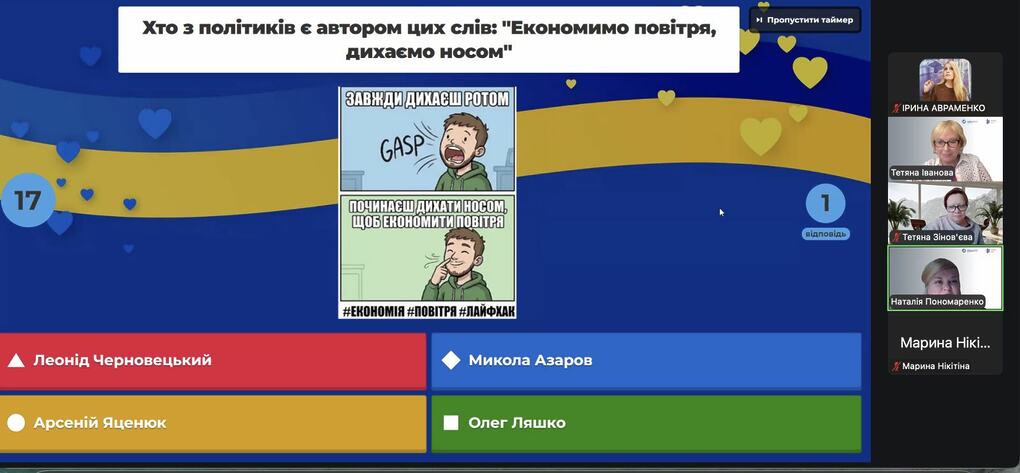
The practical sessions let participants move beyond theory and rehearse responses to potentially manipulative information. Activities included ‘The Information Trolley’, ‘The Pre-election Storm’, emotional-trigger exercises and a final ‘pause protocol’.
Professor Tetiana Ivanova, AUP media expert and Doctor of Pedagogical Sciences, explained why that pause matters:
‘For me, the main outcome is not simply teaching people to recognise false information but developing the habit of not reacting immediately. That is why the programme included The Information Trolley, The Pre-election Storm, emotional-trigger exercises and the final pause protocol: stop, check the source, evidence and context, and only then draw a conclusion. My co-trainer Nataliia Ponomarenko’s original cases about emotional hooks in manipulation were also valuable. They helped participants see which triggers political manipulators press: fear, anger, shame, urgency and division into “us” and “them”.’
Tetiana Ivanova also discussed voters’ political memory, a concept expert Oksana Stavrou had raised in an interview before the project. Alongside analysing what politicians say today, voters need to consider their previous actions and decisions. Combining a pause, memory and reflection supports more considered choices.
Original cases and simulations formed an important part of the training. Teams analysed specific messages and sought ways to verify them before drawing conclusions or sharing them.
Nataliia Ponomarenko, Senior Lecturer in Journalism and Philology at Sumy State University, PhD and media trainer, emphasised the pause as a tool for information resilience:
‘Political disinformation usually relies on our having no time to stop, so that we react on an emotional impulse. Over these two days with the third group, we learnt a central rule of information resilience: do not pull the “lever” until you have checked the “tracks”. It is immensely valuable to see participants gradually building their own “informed voter’s protocol”, from recognising hidden triggers to knowing when to pause. Where the pause disappears, a controlled reaction begins; where a well-judged question is asked, freedom of choice returns.’
Participants therefore worked with more than the concepts of false information, manipulation and disinformation. They developed practical ways of acting: interrupting automatic responses, checking sources and evidence, noticing emotional influence and considering context.
The webinar formed part of AUP’s work to develop critical thinking, information resilience and informed news consumption.
Gefördert durch die Bundesrepublik Deutschland.
Supported by the Federal Republic of Germany.
Translation note: This is a literary translation into British English, produced and proofread using a language model. Read the Ukrainian original.