FreeMind Ukraine in Poltava: from analysing manipulation to student projects
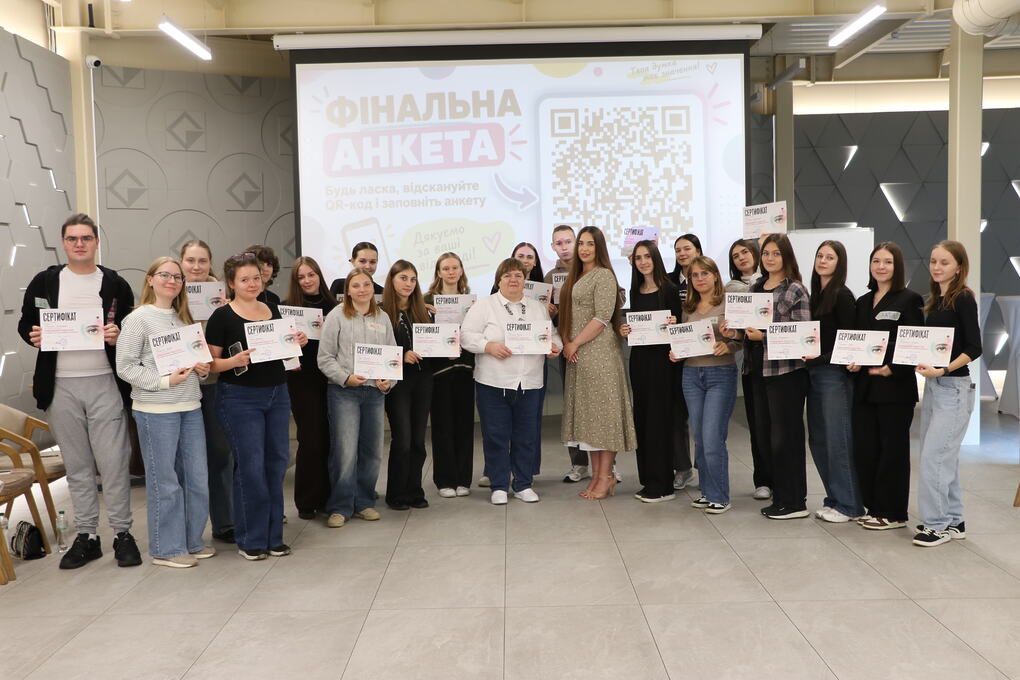
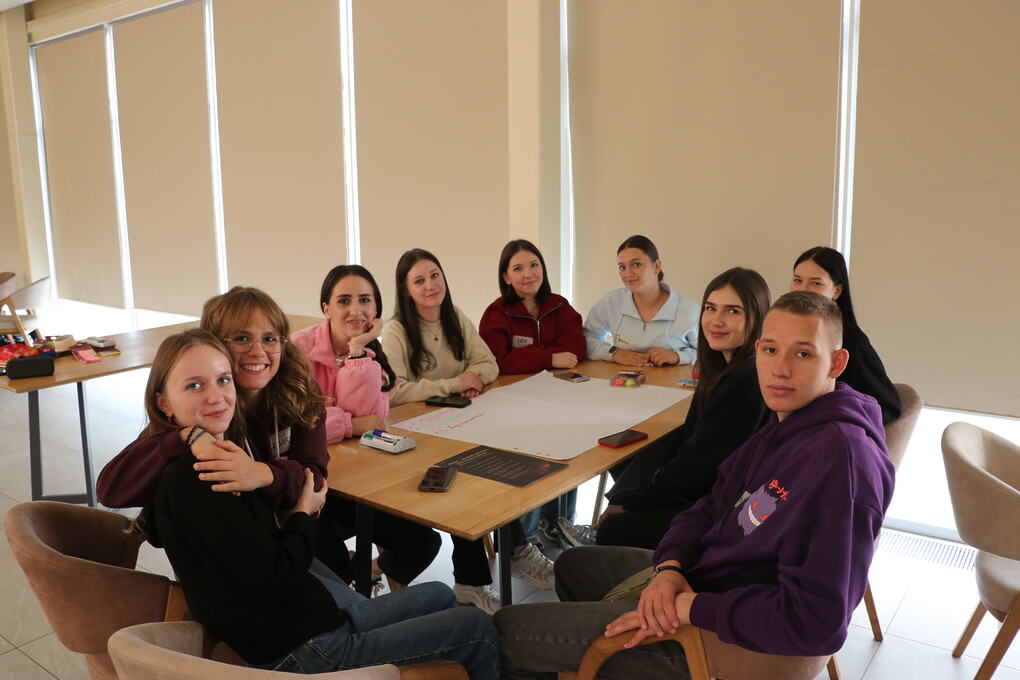
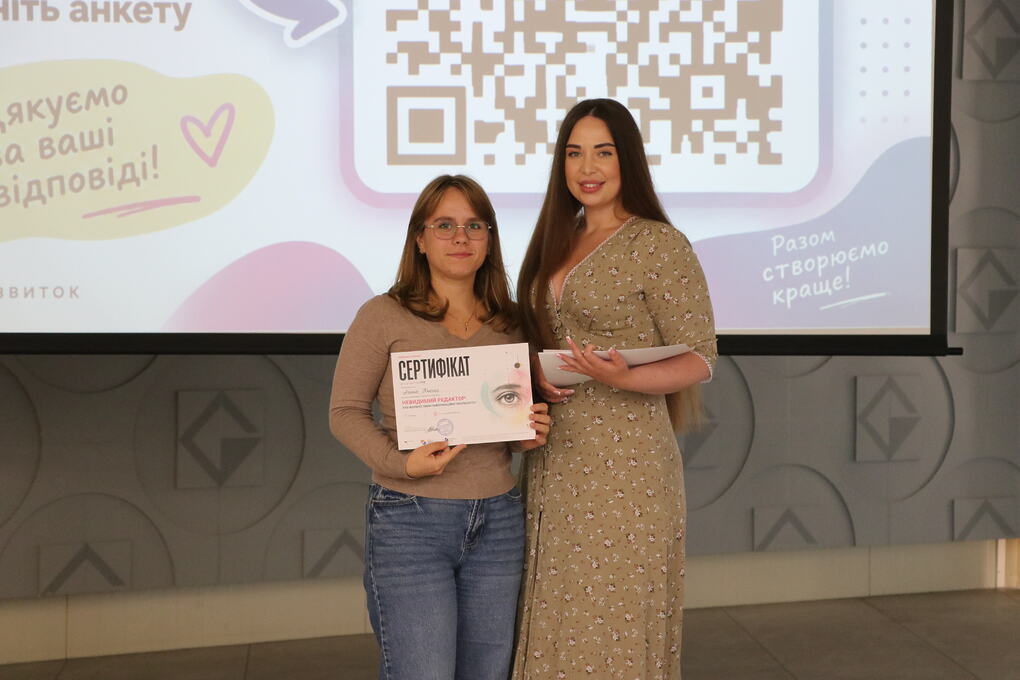
On 15–16 September 2026, Poltava hosted FreeMind Ukraine’s first two-day ‘Invisible Editor: Who Shapes Your Information Reality?’ training. Student teams worked on media literacy, critical thinking, fact-checking, AI and university initiatives.
It began with ‘Who really edits your information reality?’ Participants examined false or questionable news and their own habits: why they accept some messages almost automatically, how emotions affect decisions, why repetition makes claims persuasive and how algorithms shape feeds.
FreeMind Ukraine’s first training: Poltava
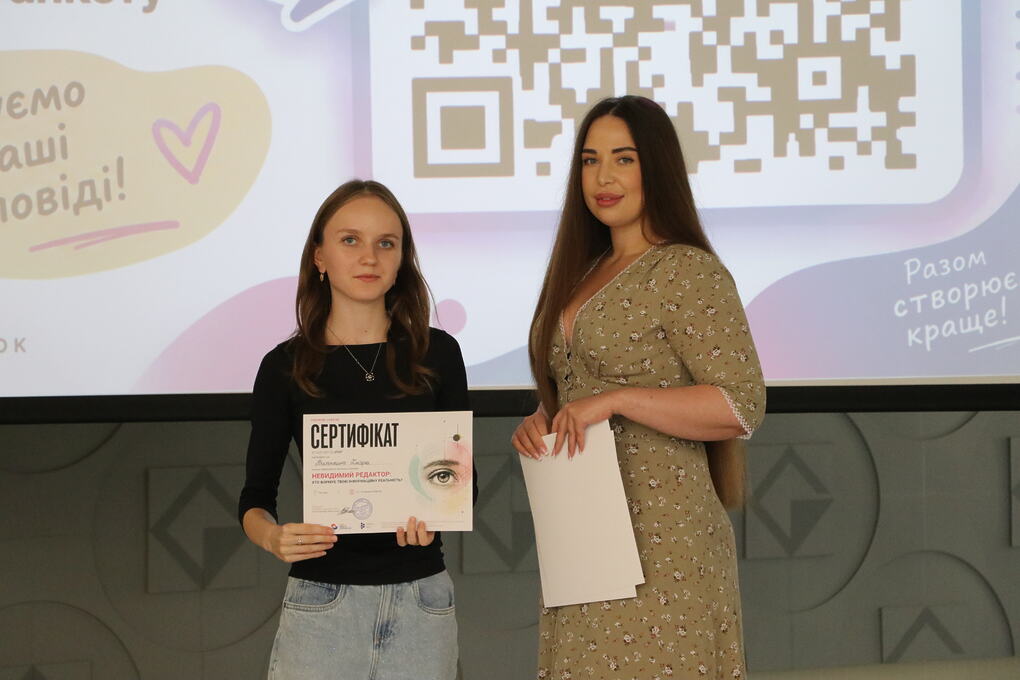
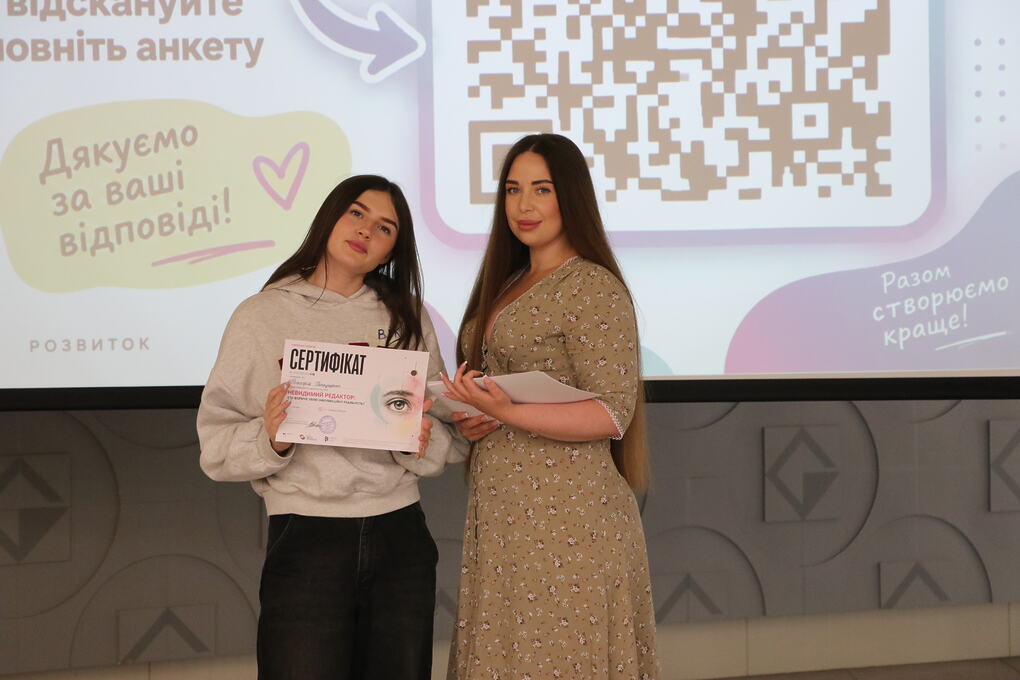
Poltava was the first project city; four more Ukrainian cities will follow. Five universities have joined FreeMind Ukraine. After training, each team must develop and implement a university initiative.
AUP implements the project with the Centre for Media and Information Literacy (CeMIL) at Freie Universität Berlin.
What shapes information behaviour?
For two days, students examined the psychology of influence and tested theory against examples. Topics included:
- fact-checking and source verification;
- open data;
- AI use;
- digital security;
- online communication.
AI: an answer is not evidence
A separate section treated AI as a tool equally capable of confidently producing a useful answer or an error. A study title, figure or link in its response does not remove the need to check the primary source.
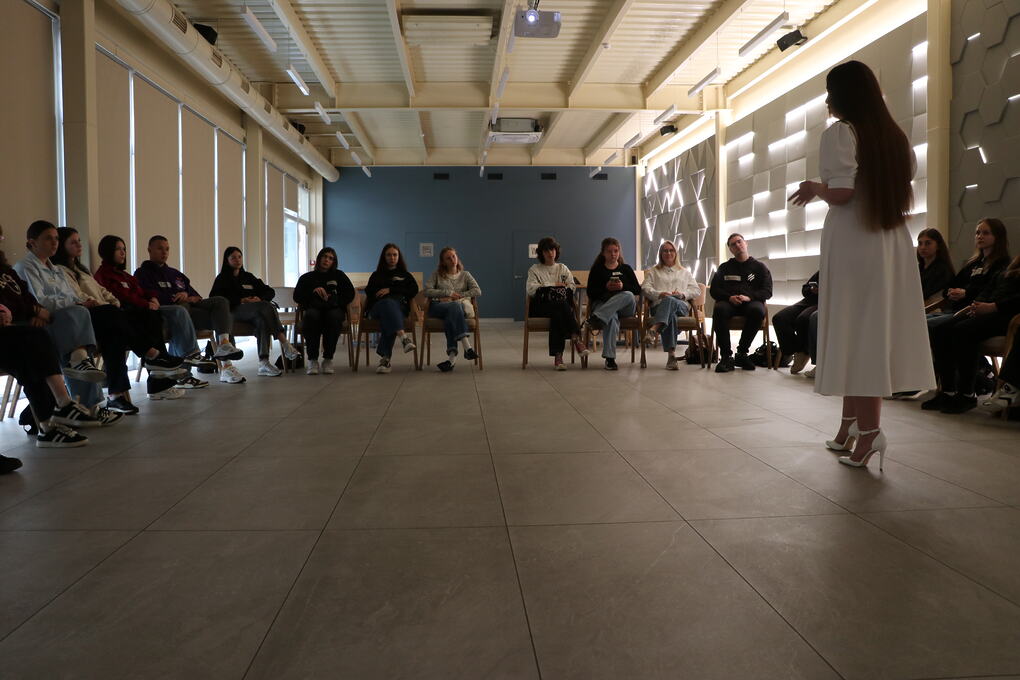
‘We do not want media literacy to remain a set of rules: check the source, look at the date, do not share dubious material. The environment has become much more complex. Today, we need to understand what influences us and why it works,’ said AUP Project Coordinator Yuliia Kulyk.
From a problem to a student project
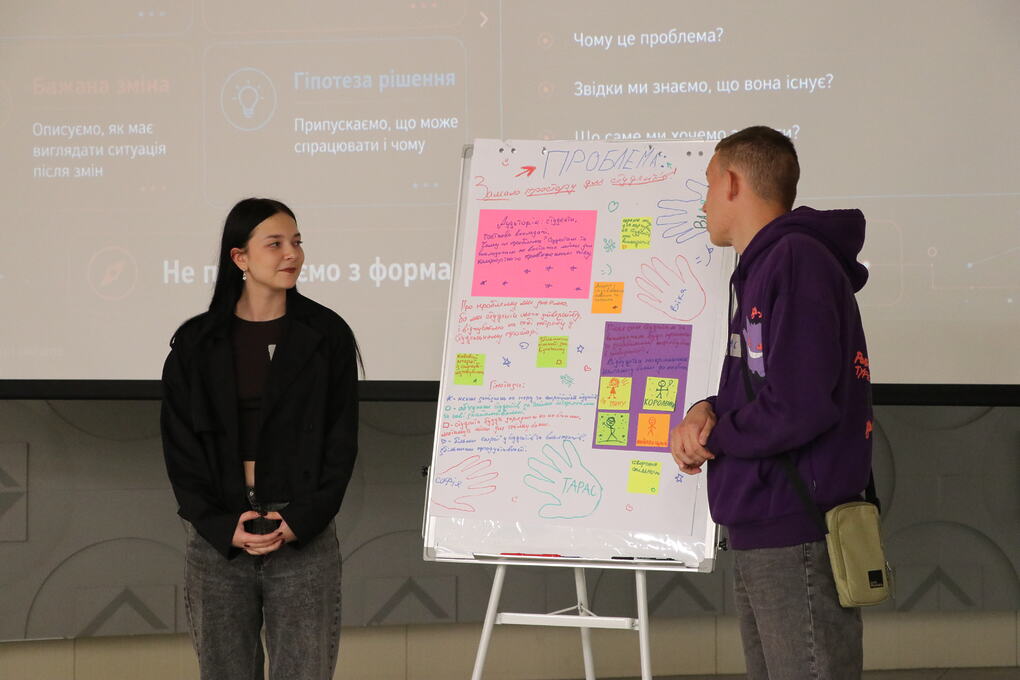
Work extended beyond theory and discussion. Students began creating projects during training. The first question was not ‘What event shall we run?’ but ‘What would you change in your university’s information environment?’
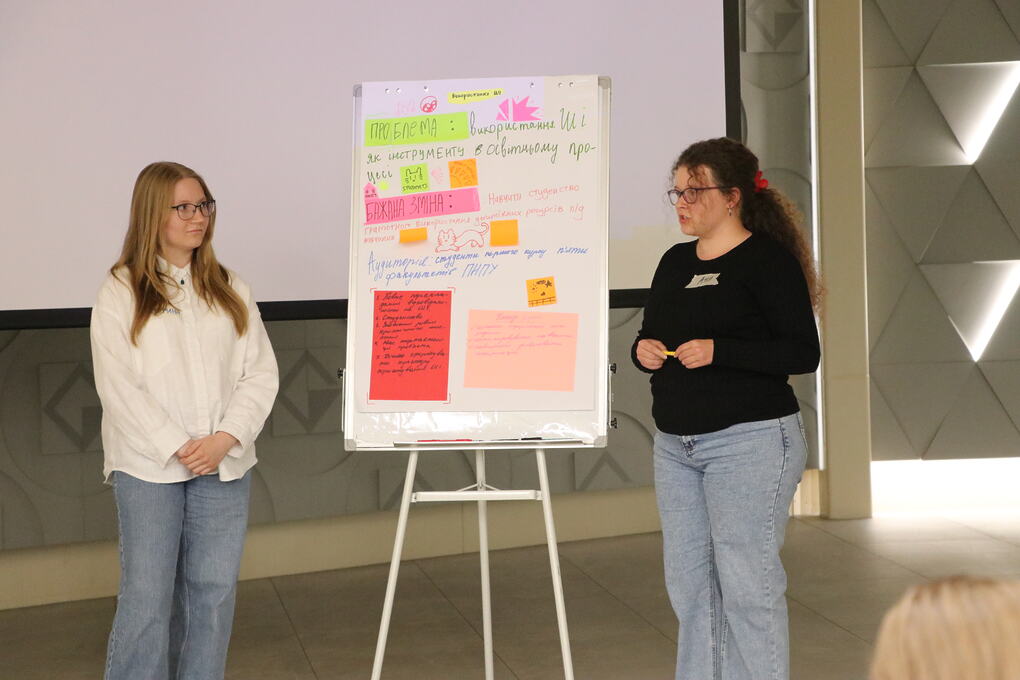
Teams identified a problem and audience before seeking solutions. Ideas underwent stress tests: other teams asked questions, found weaknesses and assessed feasibility.
On day two, each team planned its audience, intended change, approach, responsibilities, resources and indicators of success.
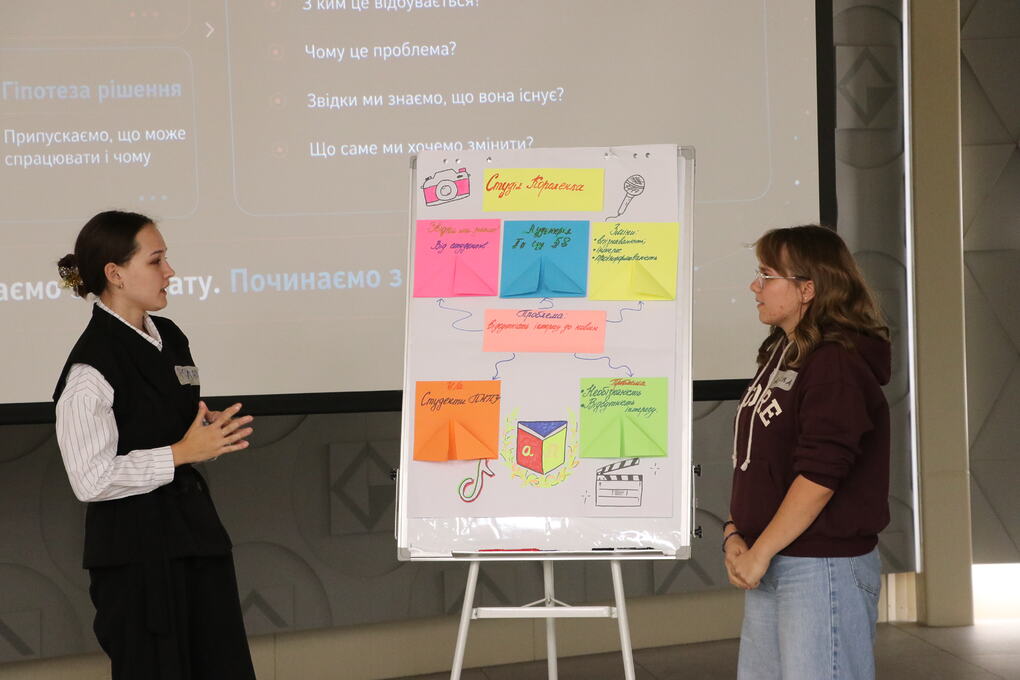
‘Students quickly suggest formats: a training, game, channel or campaign. A strong project begins earlier, with understanding the problem. Who needs it? What exactly should change? Why would a student spend time on it? Those answers turn an idea into a project ready for implementation,’ said Andrii Yurychko, media trainer, Candidate of Philological Sciences and lecturer at Taras Shevchenko National University of Kyiv’s Institute of Journalism.
After training: mentoring and implementation
Teams will continue after Poltava, receiving mentoring, refining ideas and implementing them at their universities.
Four more cities and new teams lie ahead. Each will move from analysing influence to a practical response to a university problem.
The FreeMind Ukraine partnership
AUP’s implementation partner is CeMIL at Freie Universität Berlin’s Institute for Media and Communication Studies in Germany.
The Centre conducts media literacy and communication training and research, including with Eastern European journalists and academics. It has also implemented projects in previous Eastern Partnership programme rounds.
More news and resources: FreeMind Ukraine.
The FreeMind Ukraine project page collects all news and resources. Participants and anyone interested in critical thinking and media literacy can find exercises, examples, practical cases and presentations available for educational and training use.
Translation note: This is a literary translation into British English, produced and proofread using a language model. Read the Ukrainian original.